Kala Mahadev Temple, Kundal
Chalukya-Era Kapileshwar Shiva Shrine
Find here
How to
Reach
The temple is reachable by motorable road, with direct access for private vehicles
Best Time to
Visit
The best months to visit are October to March, when the landscape is lush and weather ideal for exploration. The temple is especially vibrant on Maha Shivratri and Shravan Mondays (July-August), drawing devotees and art lovers from across Maharashtra
How Much Time Do You Need?
About Kala Mahadev Temple, Kundal
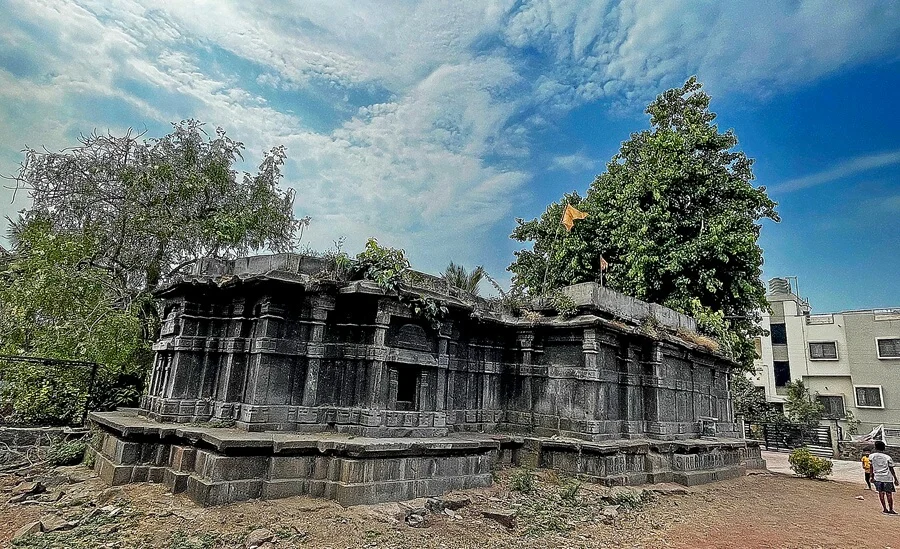
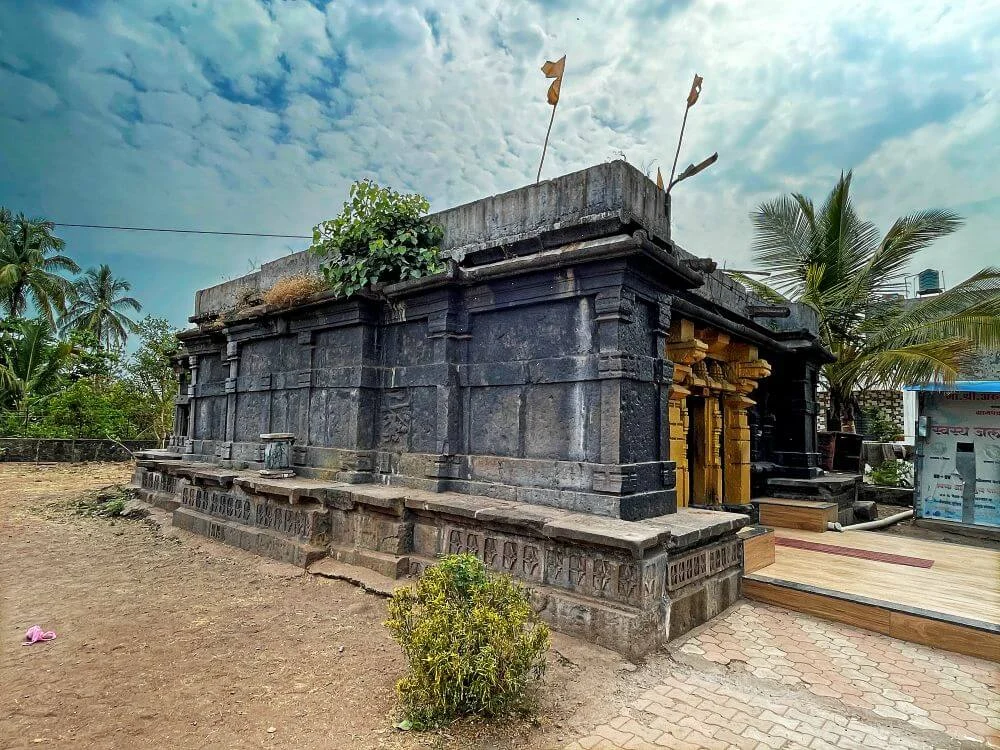
In the historic village of Kundal, once known as Kaundinyapur, stands the sacred Kala Mahadev Temple, also called Kapileshwar Temple — an architectural gem that embodies over a millennium of history. Built about 500–600 years ago from solid black stone, this magnificent shrine is fondly referred to as the Black Mahadev Temple. Kundal is one of Maharashtra’s oldest spiritual settlements, with roots extending back 1,500 years, and was once the capital of Chalukya King Satyeshwar.
The village derives its name from its ring‑shaped hills (Kundalakar range) that encircle the area. In ancient times, it was a flourishing centre of the Kuntala region, nourished by the Krishna River and enriched under the rule of the Chalukya, Rashtrakuta, and Kadamba dynasties. Kundal also holds immense importance in Jain history, as both Lord Parshvanath and Lord Mahavira are believed to have preached on these very hills. In 705 CE, King Vijayaditya is recorded to have donated land and wealth to the Jain temple here — highlighting the town’s plural religious heritage.
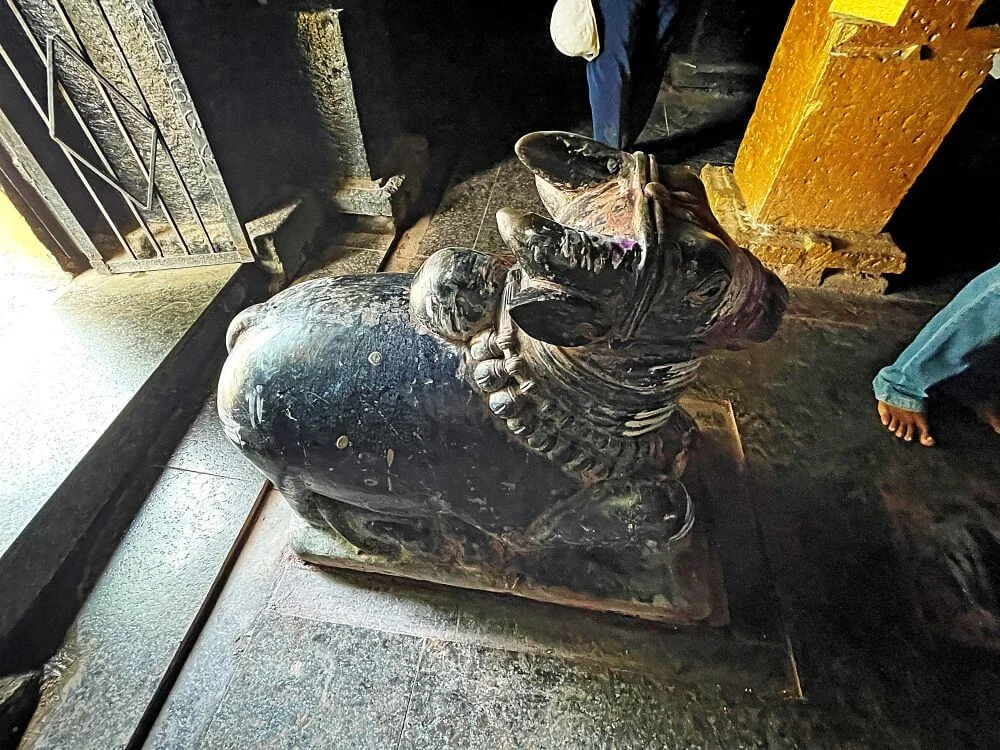
The Kala Mahadev or Kapileshwar Temple rests at the heart of Kundal within a fortified stone courtyard. The entrance, marked by a high gateway shaded by a sacred peepal tree, features a sculpted serpent stone entwined around its trunk, symbolizing divine protection. Upon entering, visitors encounter an elevated temple plinth leading to a hall (Sabhamandap), vestibule, and sanctum. The gateway’s carved stone columns are capped with miniature spires, while the open courtyard houses a monolithic Nandi and symbolic turtle idol, representing steadfast devotion and cosmic balance.
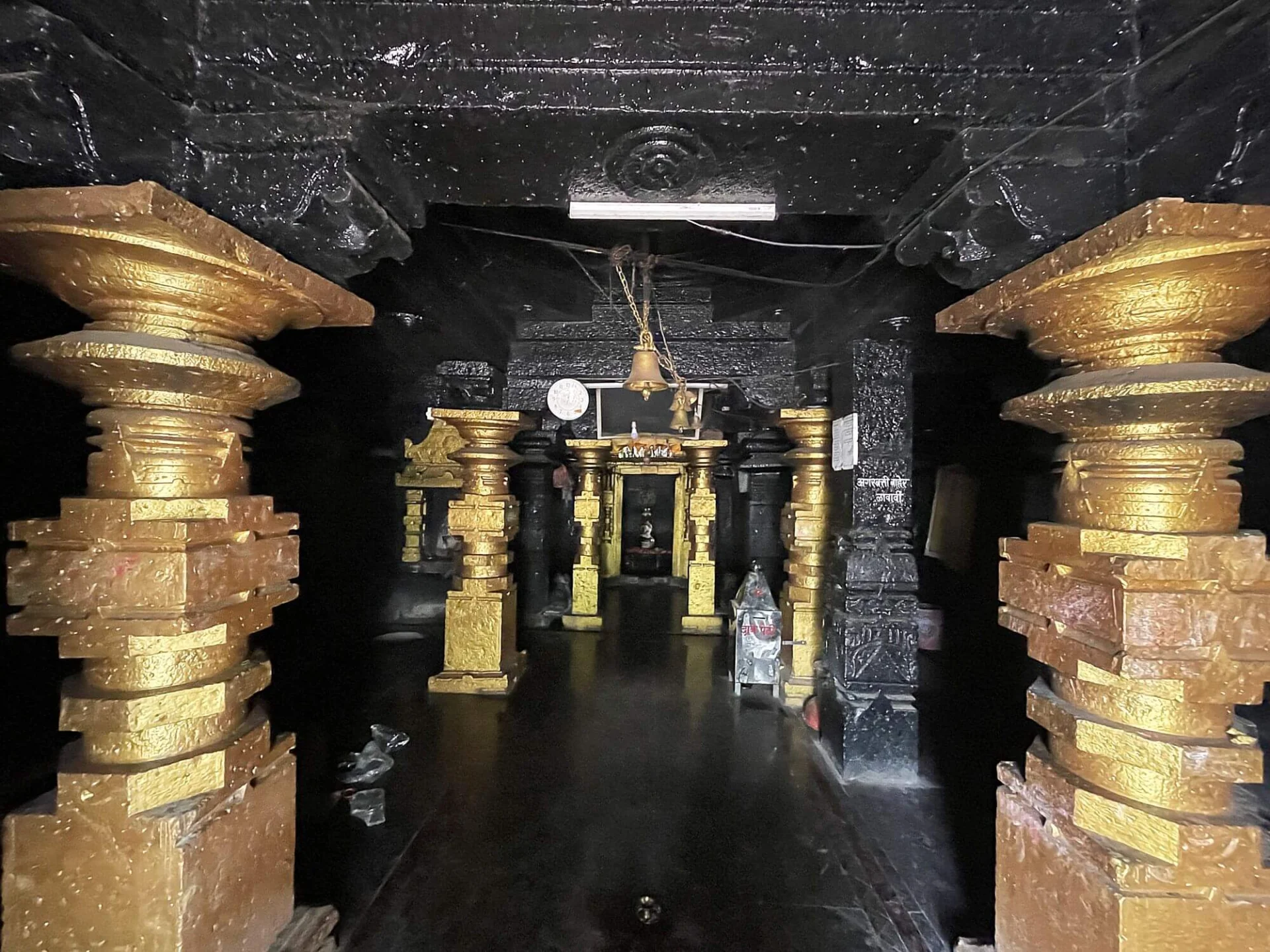
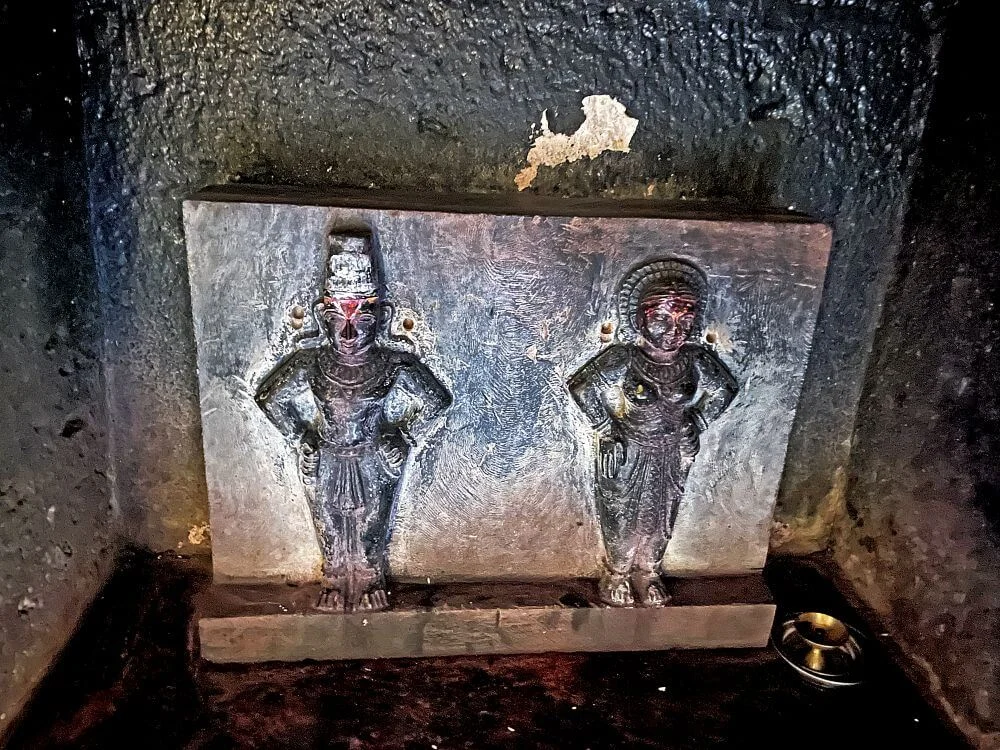
Inside, the stone-pillared Sabhamandap is adorned with ornate beams and niches containing idols of Vitthal–Rukmini, Ganapati, Hanuman, and intricately sculpted forms of Shiva and Parvati. A particularly striking image shows Lord Shiva wearing a crown instead of matted locks, with four arms gracefully holding a trident, a serpent, and gesturing blessings while resting one hand affectionately on Parvati’s shoulder. Every sculpture — with its fine jewellery, serene expressions, and intricate poses — reflects the timeless artistry of Chalukyan craftsmanship.
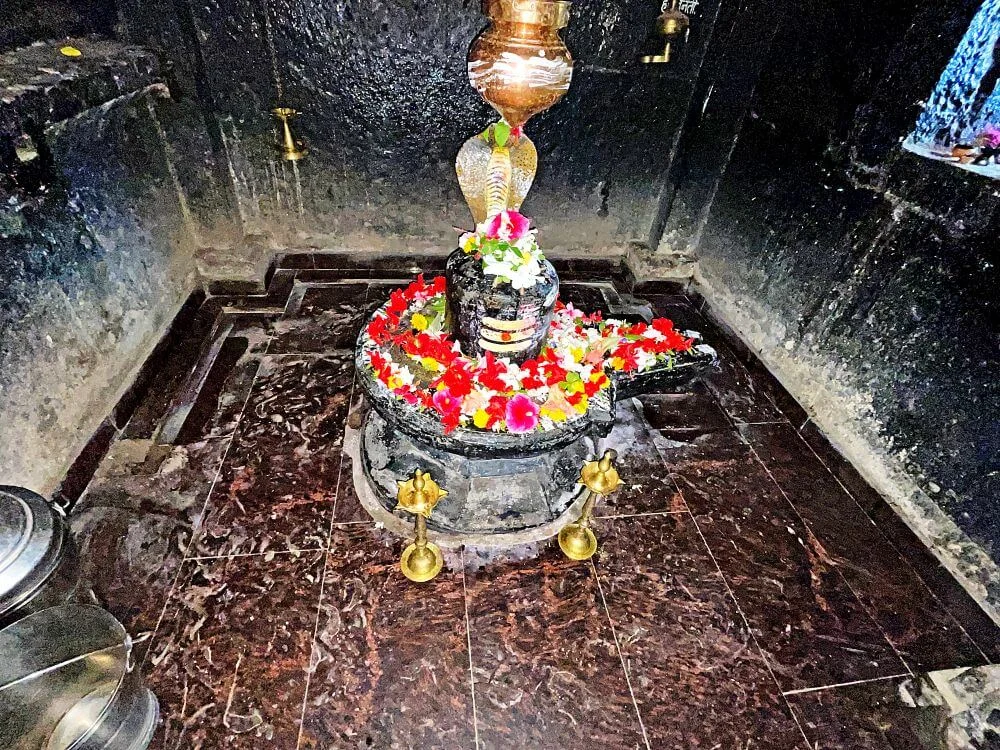
Within the sanctum, a small self-manifested Shivalinga rises from the earth under a brass serpent hood, radiating spiritual energy. Three small domes (cupolas) surround the pradakshina path (circumambulatory corridor), each engraved with partly visible Devanagari inscriptions, which scholars date to the 15th century. Hero stones (Veergals) and Sati Shilas (memorial stones) embellish the outer walls, offering glimpses into the region’s valor and devotion. Despite lacking a towering central spire, the temple’s black-stone composition exudes a quiet majesty, harmonizing strength with sanctity.
Every year, the grand Maha Shivratri Festival transforms the temple into a vibrant center of devotion, drawing thousands of pilgrims from surrounding villages. Large crowds also gather on Shravan Mondays, performing abhishek (ritual bath) and special offerings to Lord Mahadev.
Kundal’s sacred significance extends beyond the temple. It is home to numerous samadhis (final resting places) of saints like Dhananjay Maharaj (1730), Ramji Kaka Maharaj (1791), and Bhagwandas Maharaj (1814), anchoring the village as a living spiritual legacy
This Website is developed by

Aseemit Services & Solutions
Contact : +91 7219259149
Nearby Facilities for Visitors
-
Bus Stop :
Kundal -
Railway Station :
Sangli / Miraj -
Airport :
Kolhapur
-
Mechanic :
Kundal -
Petrol Pump :
Kundal -
Medical Help :
Kundal