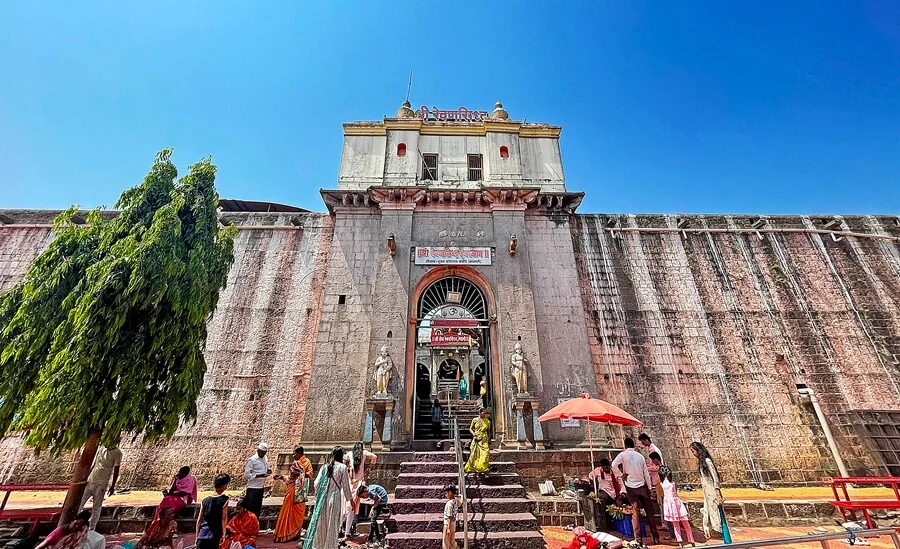
Revansiddha Temple, Renavi
Navnath Shrine of Revansiddhanath
Find here
How to
Reach
A motorable road connects directly to the temple
Best Time to
Visit
The best months to visit are October to March, when the landscape is lush and weather ideal for exploration. The temple is especially vibrant on Maha Shivratri and Shravan Mondays (July-August), drawing devotees and art lovers from across Maharashtra
How Much Time Do You Need?
About Revansiddha Temple, Renavi
Perched calmly in Renavi village near Khanapur, the Revansiddha Temple is one of western Maharashtra’s most revered Nath Sampradaya sites. Dedicated to Shri Revansiddhanath, the seventh guru of the Navnath tradition and one of the Nava‑Narayanas, this temple is not only a spiritual centre but also a historical link to Maharashtra’s Shaiva and Lingayat heritage. Revansiddhanath is believed to be an incarnation of Chamsa Narayan and was a contemporary of Gorakhnath (1050–1150 CE). The temple is also associated with the founding of the Lingayat Kadsiddheshwar tradition and the establishment of the Kaneri Math in Kolhapur.
According to local tradition and the Navnath Bhaktisar, villagers in Renavi have maintained a strict vegetarian lifestyle for generations. Their devotion to Revansiddhanath runs deep — it is said that every vow (navas) made before him is fulfilled. Constructed in durable Hemadpanti stonework, the temple’s earliest structures date to the 13th century, with fortifications and halls added over subsequent dynasties.
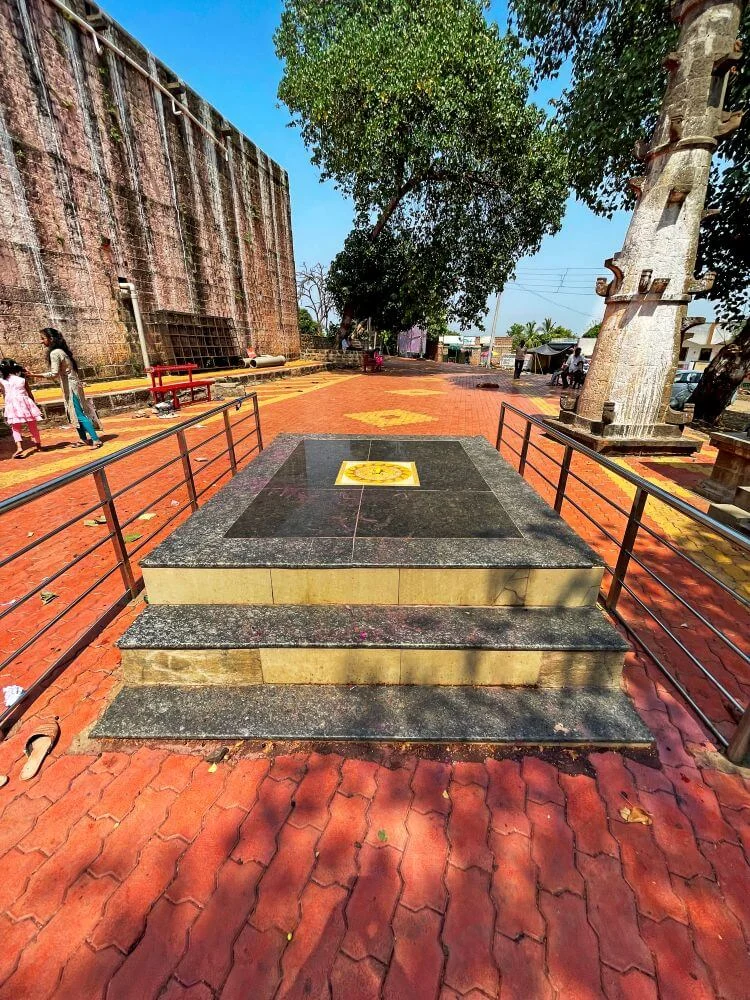
From the main road leading into Renavi, the temple is easily accessible with a spacious parking area and small shops offering sacred items and offerings. Outside the gateway, three raised platforms feature lamp towers (Deepmalas) and a ceremonial stage for Bhakunuk — a traditional forecasting ritual held during the annual fair. The entire complex is enclosed within 25‑foot‑high fortified walls, with guardian sculptures and intricate Mandaraks (stone reliefs) above the gates.
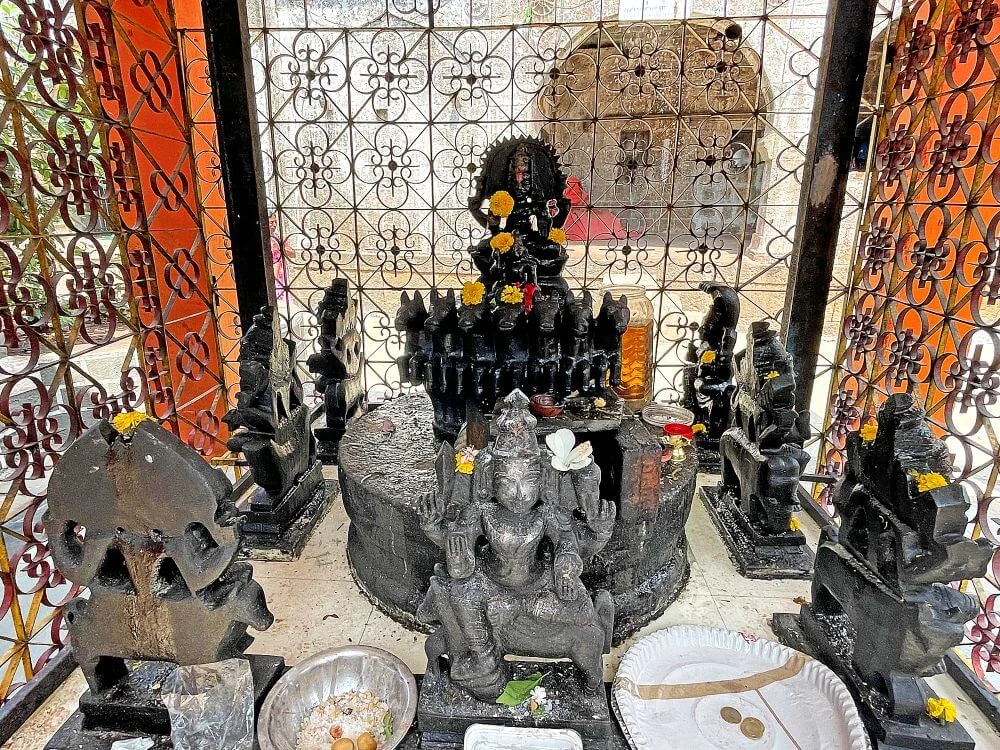
Inside the vast courtyard, devotees are greeted by an ancient Nandi idol, a Tulsi Vrindavan, and several samadhis of Siddha disciples. The space houses a unique five‑in‑one Shiva Lingam, sculpted with four yonis, symbolizing unity of divine forces. Nearby, black‑stone statues of Goddess Yamai and Mahalakshmi are worshipped, while a tall lamp pillar carries carvings of bulls, elephants, and Hanuman. The assembly hall (Sabhamandap) contains rows of carved square pillars, a hanging palanquin used during ceremonies, silver padukas (holy footprints), a sacred fire pit, and beautiful Ganesh panels.
The sanctum’s silver‑plated doorway is engraved with floral designs and divine motifs. Inside rests the mesmerizing self‑manifested idol of Revansiddhanath, a 12–15 foot reclining figure carved from a single black‑stone block. The idol is said to emit continuous trickles of water, symbolizing purity and divine life. Beside him stand two brass‑masked disciples, Basavsiddha and Maralsiddha, along with a silver trident and two Shiva Lingas.
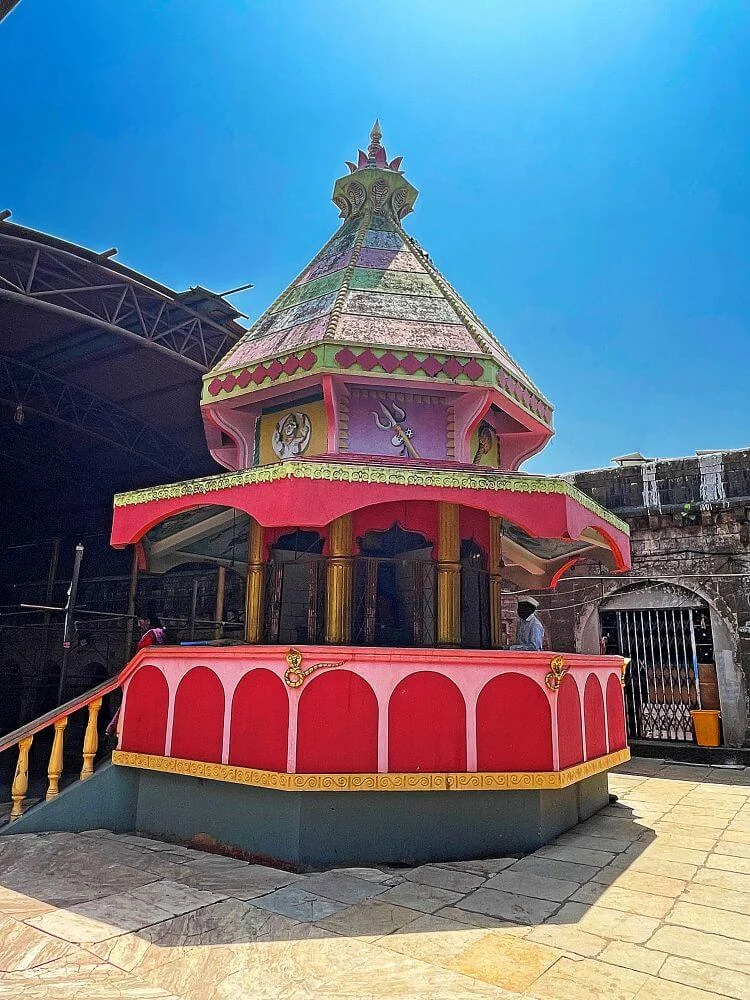
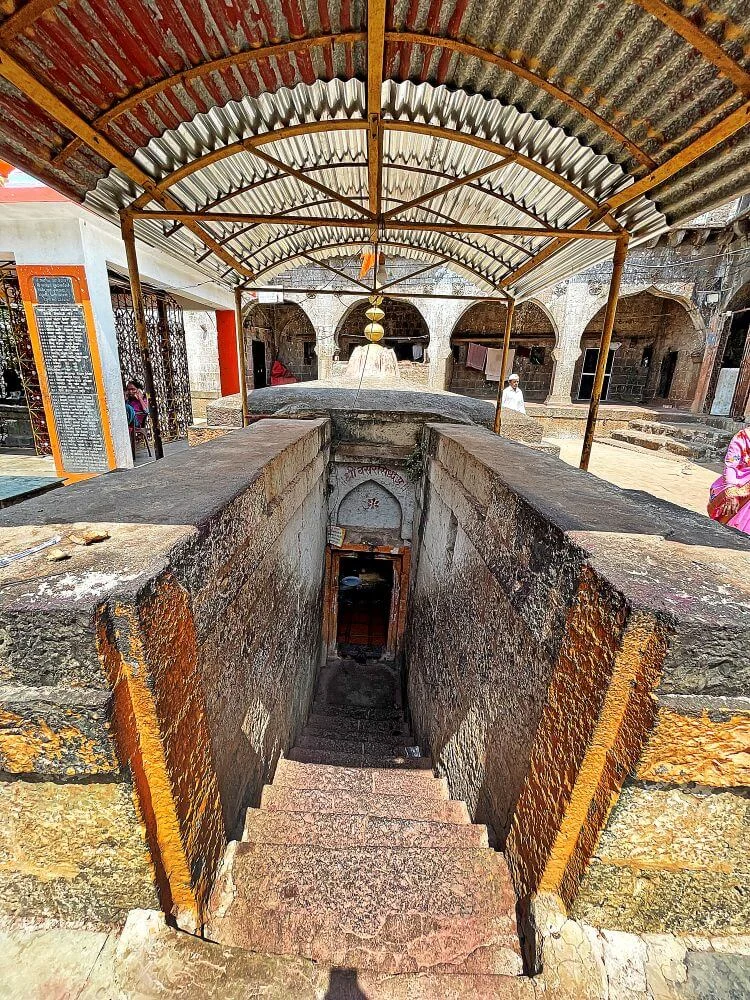
The temple complex also includes several sanctums: a Maralsiddha shrine, an Ashtavinayak temple, a Datta Mandir, an octagonal Navagraha Mandir depicting Surya riding a seven‑horse chariot, and an underground Basavsiddha cave shrine. The surrounding halls contain Nandi statues, inscribed stones, and accommodation for priests and sadhus.
Every year, Maha Shivratri transforms the Revansiddha Temple into a grand celebration with palanquin processions, Rudra Abhishek and Maha Abhishek rituals, bhajans, spiritual discourse, and community feasts. Traditional Sasan Kathya (ceremonial sticks) from nearby villages are brought in processions, and Bhakunuk predictions about harvest and rainfall continue the timeless customs of this sacred Nath site. Shravan Mondays also draw huge gatherings of devotees seeking blessings and peace.
This Website is developed by

Aseemit Services & Solutions
Contact : +91 7219259149
Nearby Facilities for Visitors
-
Bus Stop :
Renavi -
Railway Station :
Sangli -
Airport :
Kolhapur
-
Mechanic :
Sangli -
Petrol Pump :
Sangli -
Medical Help :
Sangli