Shri Tulja Bhavani Temple,...
Shakti Shrine and Regional Pilgrimage Heritage — Tuljapur, Dharashiv
Find here
How to
Reach
Shri Tulja Bhavani Temple is conveniently located about 1 km from the Tuljapur bus stand. Accessible by a motorable road, with ample parking facilities nearby
Best Time to
Visit
The ideal months to visit Tuljapur are between October and March, when the weather is cool and comfortable. The temple sees grand celebrations during Navratri and Dasara, making these festive periods especially memorable for pilgrims
How Much Time Do You Need?
About Shri Tulja Bhavani Temple, Tuljapur
The Shri Tulja Bhavani Temple, located on Mahadwar Road in Tuljapur, holds an eminent position as one of Maharashtra’s three and a half Shakti Peethas. It is considered the third complete Shakti Peeth, and its inclusion in the Devi Bhagwat Purana further cements its importance among the 51 sacred seats of Goddess Shakti. The deity, known by names such as Tvarja, Turja, Tvarita, Tulja, and Amba, embodies the divine feminine power that protects and blesses her devotees. She is revered as the kuldevi (family goddess) of Chhatrapati Shivaji Maharaj, adding immense historical and cultural significance to the shrine.
Perched amid the Yamunachal hill range of the Balaghat mountains, the temple is believed to have been built around the 13th century, during the Yadava period. Over time, it evolved into one of Maharashtra’s most visited spiritual centers. During the Maratha Empire, Goddess Tulja Bhavani became widely worshipped as the Rashtra Devi (national goddess), reaffirming her role in Maharashtra’s collective cultural identity.
Legends from the Tulja Mahatmya narrate that Goddess Bhavani manifested to rescue the devoted widow Anubhuti from the demon Kukut. The goddess vanquished him, and in another version, his transformation into Mahishasur leads Tulja Bhavani to be worshipped as Mahishasurmardini, the slayer of evil. Devotees also associate the goddess with Lord Ram’s victory over Ravana and with spiritual masters like Samarth Ramdas. Before his fateful meeting with Afzal Khan, Shivaji Maharaj is said to have received her divine blessings here.
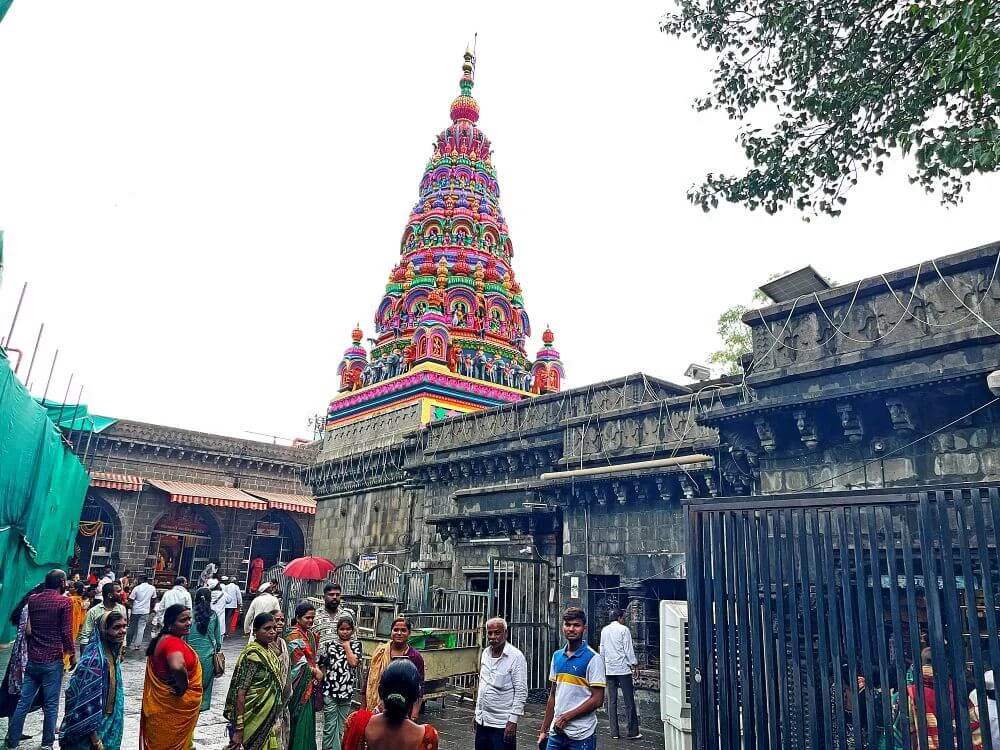
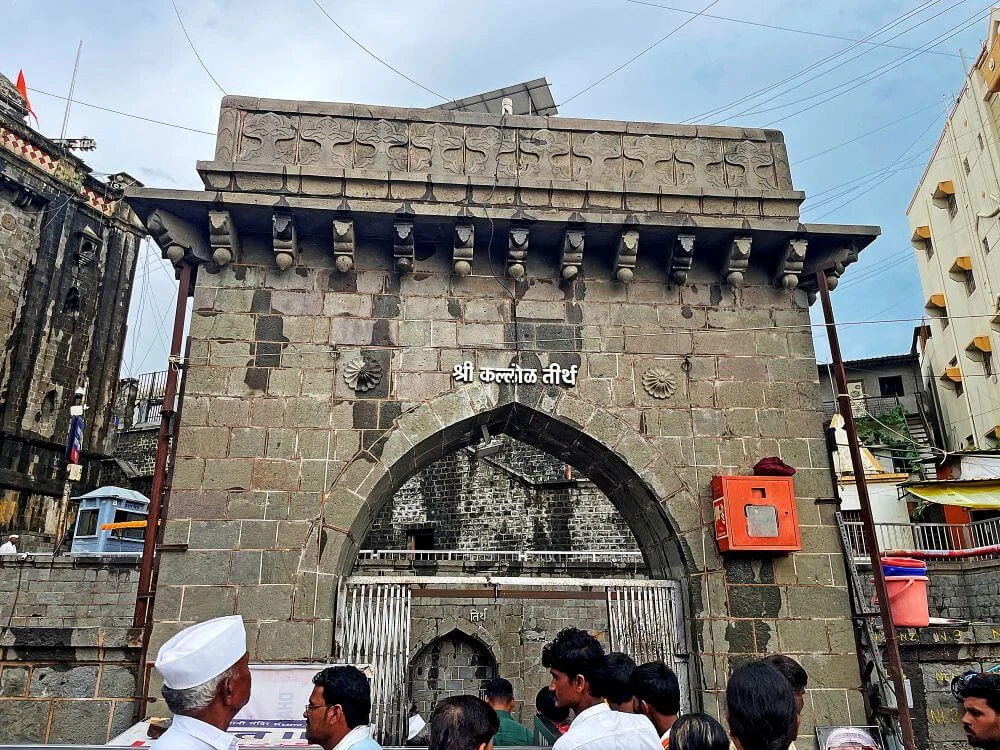
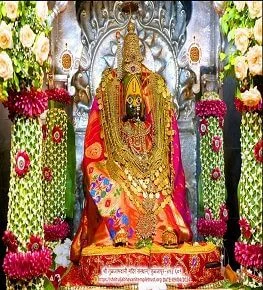
The temple complex is an architectural delight, entered through two majestic gateways named after Shahaji Maharaj and Rajmata Jijabai. Within the temple enclosure lies the sacred Gomukh Tirth, believed to be connected to the Ganga, and Kallol Tirth, surrounded by legends of divine rivers converging here. The main sanctum houses a remarkable eight-armed idol of Goddess Tulja Bhavani, carved from Gandaki stone, depicted in a dynamic stance over the demon Mahishasur, exuding an aura of strength and compassion. The temple’s golden spire, donated by a devotee from Beed, gleams as an emblem of faith and devotion.
The temple remains vibrant with rituals and festivities throughout the year, particularly during Sharadiya Navratri, Dasara, and the Chhabina festival. The goddess is honored daily through four major pujas, and during special occasions, her idol is carried in a grand palanquin procession. The unique Chintamani Stone within the temple premises is believed to answer questions posed by devotees—turning right for ‘yes’ and left for ‘no’. Devotion here transcends religion and history, welcoming thousands of pilgrims from all corners of India and even Nepal, where she is worshipped as Degu Taleju
This Website is developed by

Aseemit Services & Solutions
Contact : +91 7219259149
Nearby Facilities for Visitors
-
Bus Stop :
Tuljapur -
Railway Station :
Solapur -
Airport :
Solapur
-
Mechanic :
Tuljapur -
Petrol Pump :
Tuljapur -
Medical Help :
Tuljapur