Ghatsheel Temple
Yadava-Era Temple and Medieval Deccan Heritage — Tuljapur, Dharashiv
Find here
How to
Reach
Ghatsheel Temple is easily accessible by road and lies about 1.2 km from the Tuljapur bus stand
Best Time to
Visit
The ideal time to visit is between October and March, when the weather is pleasant and the forest-clad hill is vibrant with lush greenery. The festival season of Navratri, usually between March–April and September–October, is particularly lively and spiritually uplifting
How Much Time Do You Need?
About Ghatsheel Temple
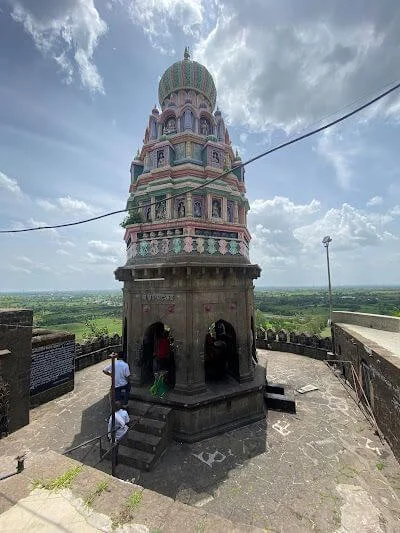
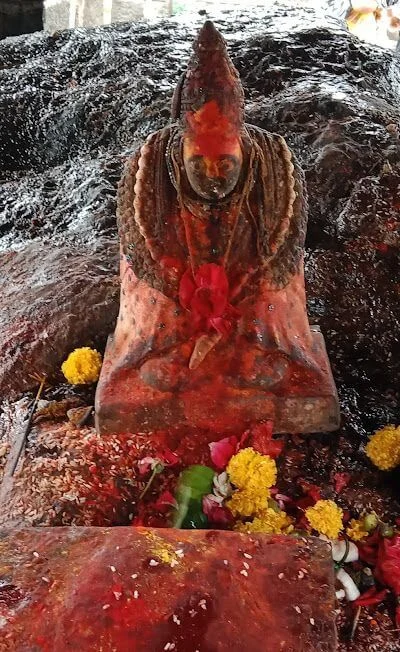
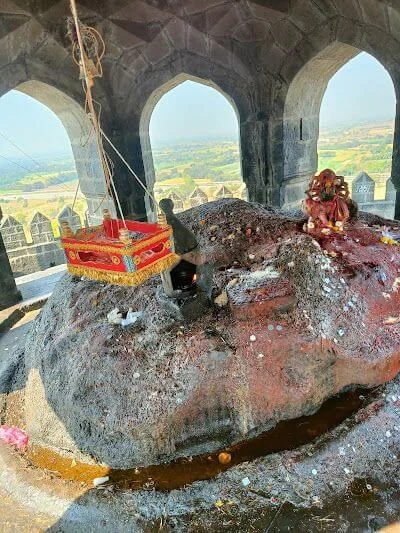
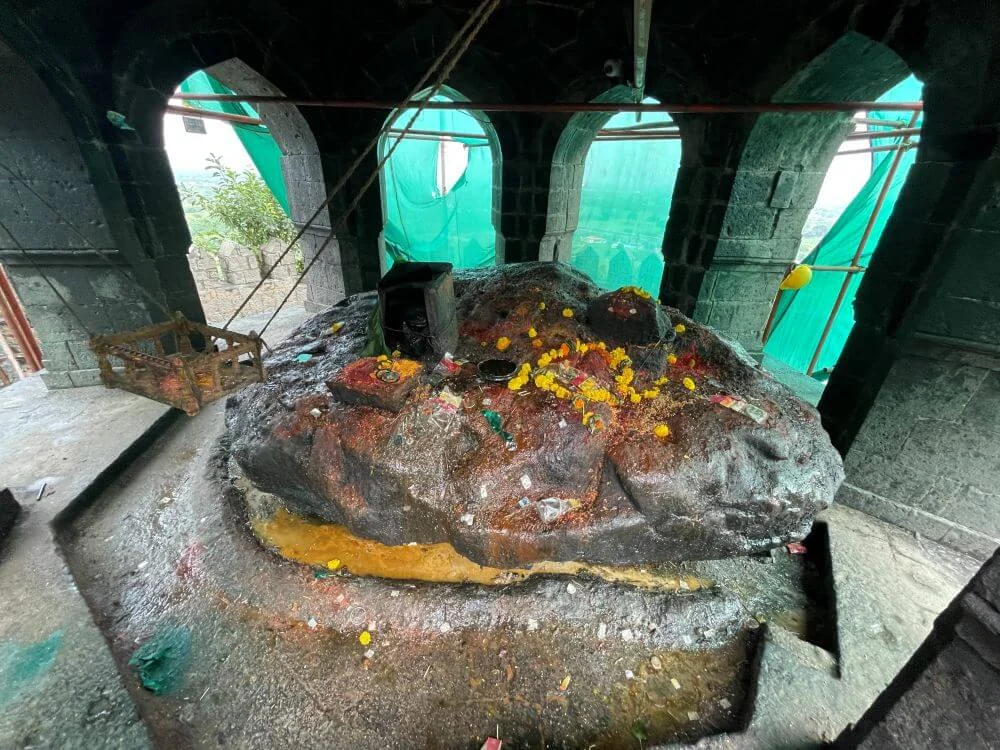
The Ghatsheel Temple in Tuljapur, Dharashiv district, is an ancient shrine that embodies the spiritual essence of rural Maharashtra. Rooted in the Hindu philosophy of perceiving divinity in all natural elements—water, land, stone, and wood—the temple stands as a powerful reminder of faith beyond human-crafted idols. The focal point of worship here is a naturally formed sacred stone, affectionately called Tukai, believed by devotees to fulfill the sincere wishes of those who offer prayers with devotion.
Dating back to the Yadava period, the temple’s antiquity places it alongside the revered Tuljabhavani Temple, and historical evidence such as an 18th-century British officer’s sketch housed in the British Museum further accentuates its heritage value. Legends enrich its spiritual aura. One tells of Markandeya Rishi’s cow that became lame after grazing; the stone extracted from its hoof grew into the very rock now venerated at Ghatsheel. Another legend relates to Lord Rama’s search for Sita, during which Goddess Parvati appeared atop the same stone—testing Rama’s recognition, to which he responded with reverence and devotion.
Perched on a hill southwest of Tuljapur, Ghatsheel Temple offers a serene yet visually striking experience. A flight of around 100–125 stone steps leads through lush greenery to the shrine. The stairway, supported by firm railings and stone pillars, begins at a fort-like archway complete with thick walls and guard chambers. Halfway up stands a hexagonal pavilion, Shri Ram Vanvas Gaman, symbolizing Rama’s journey during exile. At the top lies a circular viewing platform overlooking the scenic Ghats and neighboring countryside. The shrine itself is a graceful hexagonal canopy with intricately carved pillars, twelve lotus motifs, and a five-tiered spire crowned by a shining kalash. The sacred stone at its heart remains open to view and worship from all sides.
Festivals such as Chaitra and Sharadiya Navratri, Somvati Amavasya, and Kartik Purnima attract large gatherings of worshippers. Rituals often include offerings of sarees, jewelry, coconuts, and vows fulfilled through acts of devotion like crawling to the shrine. Tuesday and Friday are considered the most auspicious days for darshan
This Website is developed by

Aseemit Services & Solutions
Contact : +91 7219259149
Nearby Facilities for Visitors
-
Bus Stop :
Tuljapur -
Railway Station :
Solapur -
Airport :
Solapur
-
Mechanic :
Tuljapur -
Petrol Pump :
Tuljapur -
Medical Help :
Tuljapur