
Nagbhid
Nagbhid Taluka, located in the western part of Chandrapur district, is an emerging destination in Chandrapur tourism known for its pristine landscapes, ancient temples, and rich cultural traditions. The name “Nagbhid” comes from the Sanskrit word “Naga,” symbolizing the serpent deity, and the region’s mythology is deeply tied to this divine element.
The taluka’s most prominent landmark is the Nagbhid Fort, a centuries-old structure surrounded by lush greenery. The fort provides a glimpse into the region’s medieval history and serves as a scenic viewpoint offering panoramic views of surrounding valleys and forests. The Shiv Temple of Nagbhid, built in classic stone architecture, attracts pilgrims throughout the year and becomes a center of devotion during Mahashivratri.
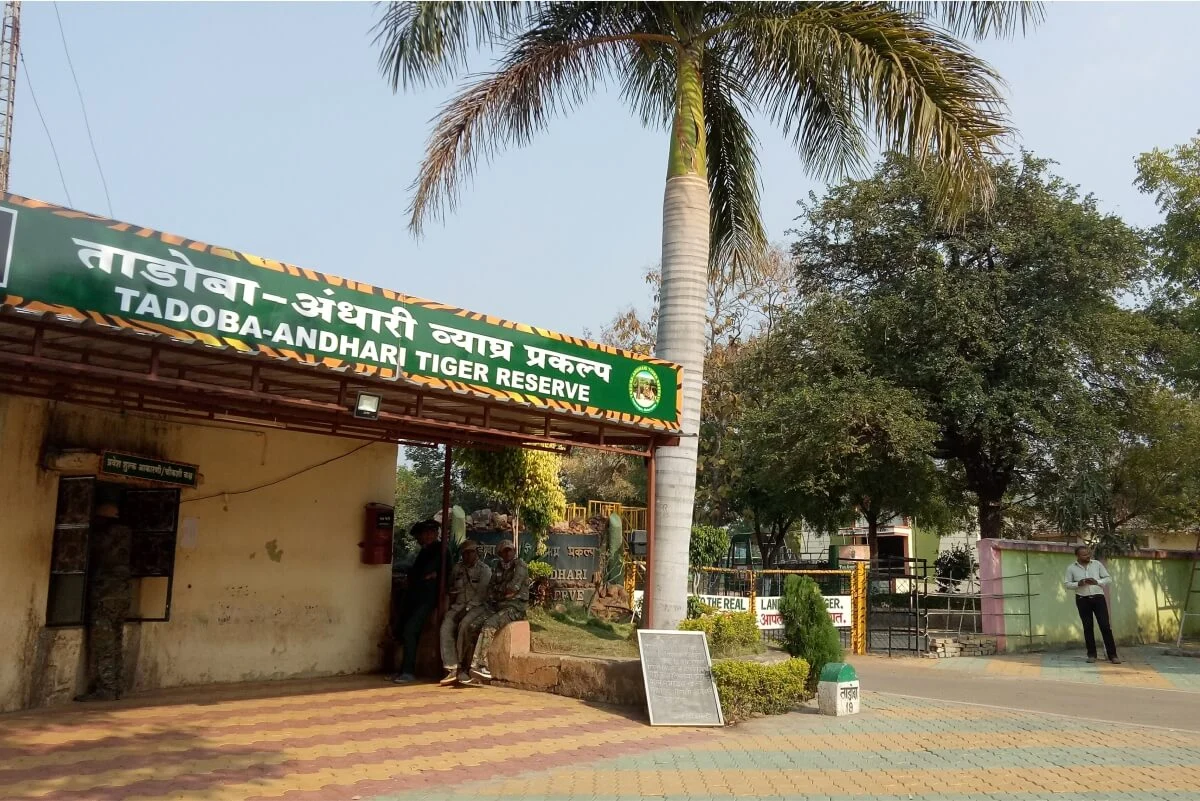
Nagbhid’s natural beauty is enhanced by dense forests, rolling farmlands, and streams that feed into the larger Wainganga River basin. It is also located near important forest corridors that connect to the Tadoba-Andhari Tiger Reserve, making it ideal for eco-tourism and village safaris. Travelers following the Maharashtra travel guide often include Nagbhid for its blend of natural serenity and heritage exploration.
The taluka’s villages reflect authentic Vidarbha culture, where traditional agriculture, pottery, and folk arts continue to thrive. Tourists can experience rural life up close by visiting local markets, participating in cultural fairs, and enjoying traditional Maharashtrian dishes such as pithla-bhakri and modak.
Festivals like Gudhi Padwa, Navratri, and Diwali transform the taluka into a vibrant hub of color and celebration. Music, dance, and local theater (Tamasha) performances during these occasions showcase the deep artistic spirit of Nagbhid’s people.
With its perfect mix of heritage temples, forest landscapes, and cultural essence, Nagbhid Taluka offers a refreshing travel experience for both history lovers and nature enthusiasts