
Mumbai
Mumbai district, often referred to as South Mumbai, is the heart of India’s financial capital and one of the most iconic urban destinations in the world. It is known for its colonial-era architecture, historical landmarks, cultural diversity, and vibrant street life. Despite being the smallest district in Maharashtra in terms of area, it holds tremendous historical, cultural, and touristic value.
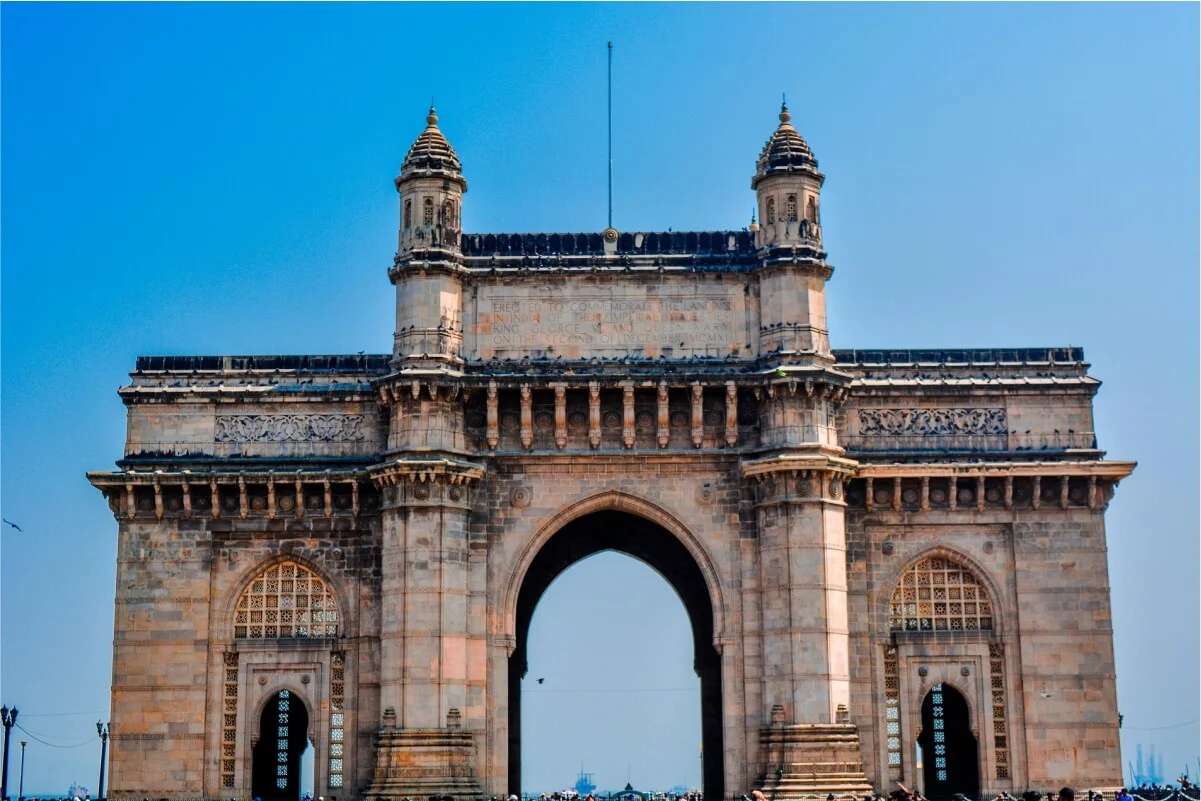
Major tourist attractions include the majestic Gateway of India, a landmark overlooking the Arabian Sea, and the Chhatrapati Shivaji Maharaj Terminus (CST), a UNESCO World Heritage Site. Visitors flock to Marine Drive for its beautiful sea-facing promenade, especially during sunset. The Elephanta Caves, accessible by ferry, offer ancient rock-cut sculptures and a glimpse into India’s artistic heritage.
Culturally, Mumbai district is a melting pot of communities, languages, and traditions. It hosts a wide range of festivals — Ganesh Chaturthi, Eid, Christmas, and Navratri are celebrated with equal enthusiasm. The area is home to several prominent museums and art galleries, such as the Chhatrapati Shivaji Maharaj Vastu Sangrahalaya and Jehangir Art Gallery, making it a cultural hotspot.
Traditionally, this district has witnessed the evolution of Bombay from a colonial port city to a modern metropolis. Old neighborhoods like Girgaon, Kalbadevi, and Bhuleshwar still preserve the charm of traditional chawls, bazaars, and historic temples and dargahs. The food culture of Mumbai — including street snacks like vada pav, pav bhaji, and Bombay sandwiches — is iconic and rooted in its working-class history.
Environmentally, South Mumbai has well-maintained sea promenades, gardens like Hanging Gardens, and access to the Arabian Sea, providing refreshing coastal views. Urban conservation efforts continue to maintain green spaces and preserve heritage buildings.