Trimukhi Varadan Manai Temple
Historic Temple and Regional Spiritual Heritage — Chiplun, Ratnagiri (Dahivali Budruk)
Find here
How to
Reach
Easily accessible via motorable road with parking near the temple
Best Time to
Visit
November to February and during the Samayatra Festival
How Much Time Do You Need?
About Trimukhi Varadan Manai Temple
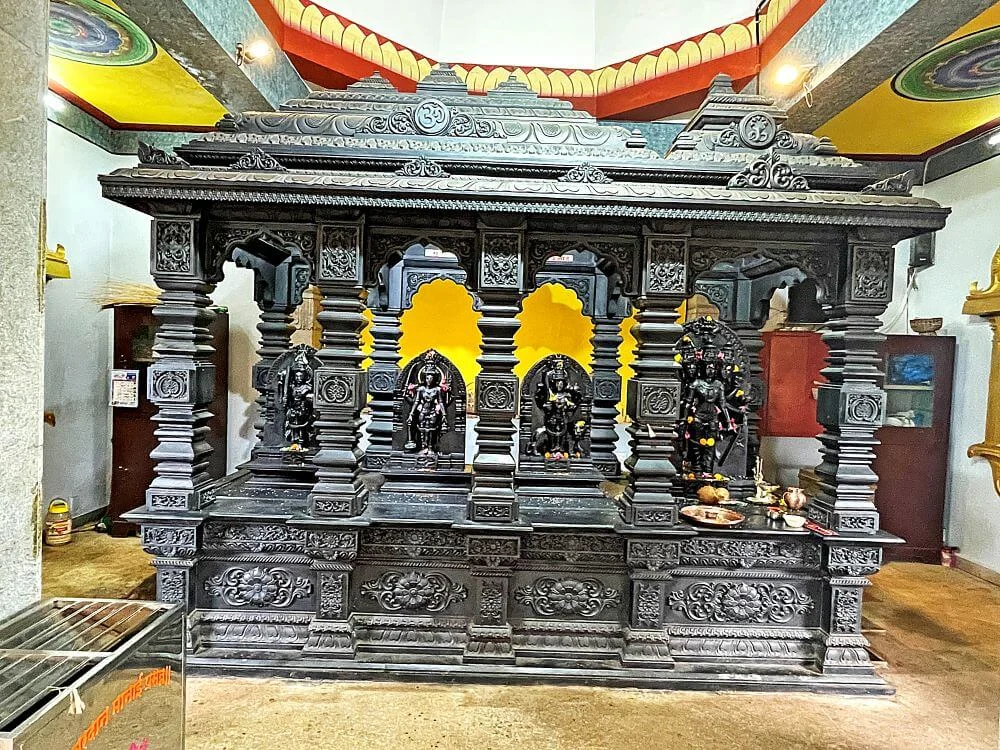
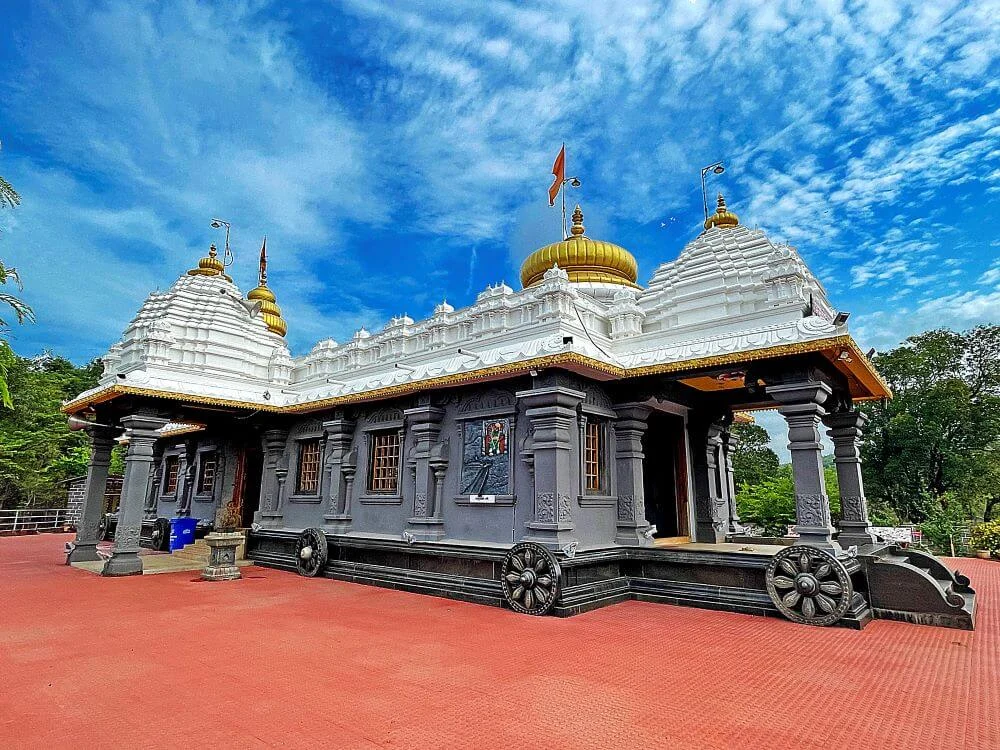
In the scenic village of Dahivali Budruk in Chiplun taluka, the Trimukhi Varadan Manai Temple stands as one of Konkan’s most distinctive religious sites — a shrine entirely built in the form of a ceremonial chariot. Constructed using black Salem stone from Tamil Nadu, the temple is a rare fusion of Maharashtrian and South Indian architectural styles, with intricate craftsmanship and symbolic design elements that have earned it the distinction of a Category C pilgrimage site by the Government of Maharashtra.
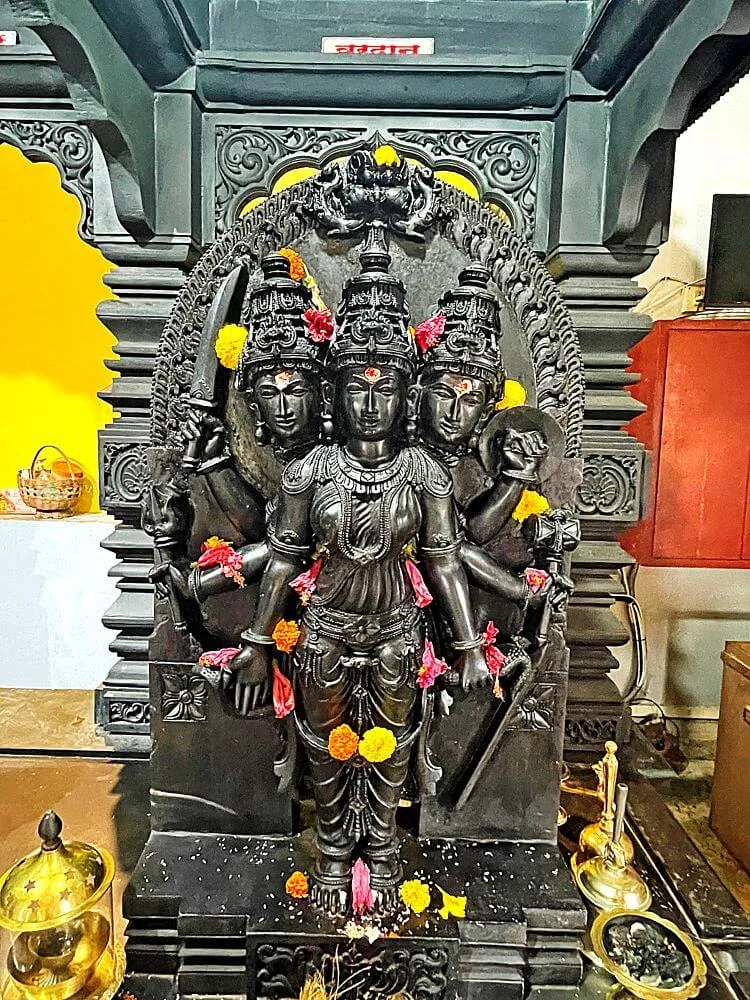
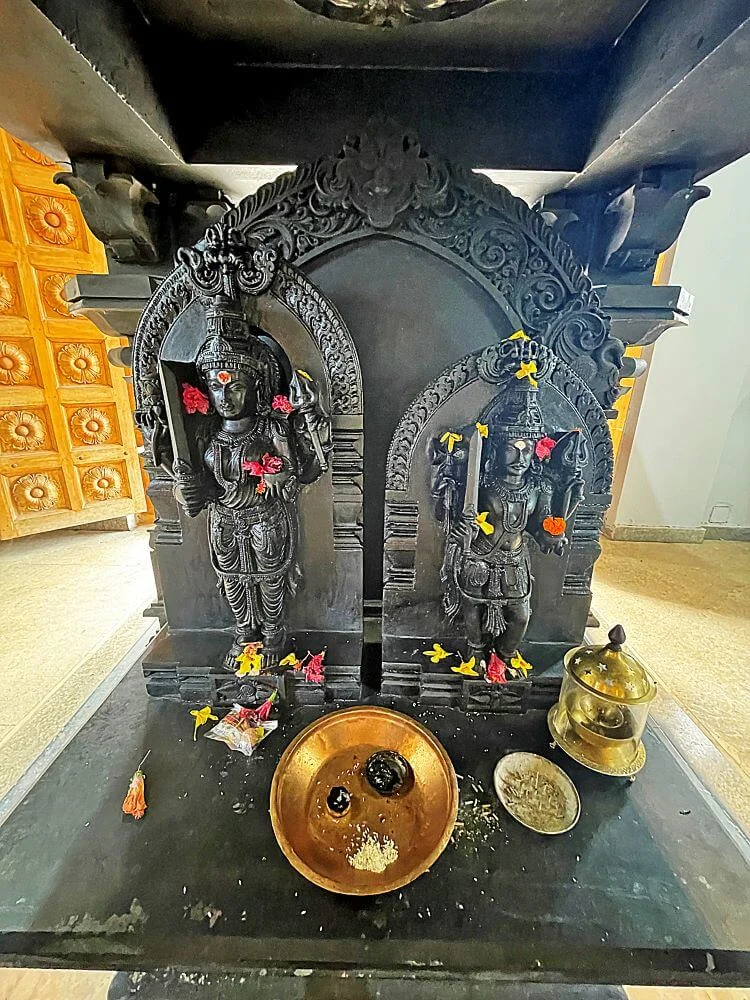
Located between the Kapashi River to the south and steep hills to the north, the temple is believed to be around 350 years old and is especially revered by married women who return to their parental home (maher), as the goddess is thought to safeguard and respond to their calls for help. The idol of Varadan Manai Devi — three-faced and six-armed, representing Lakshmi, Saraswati, and Durga — is an extraordinary rarity in Indian temples.
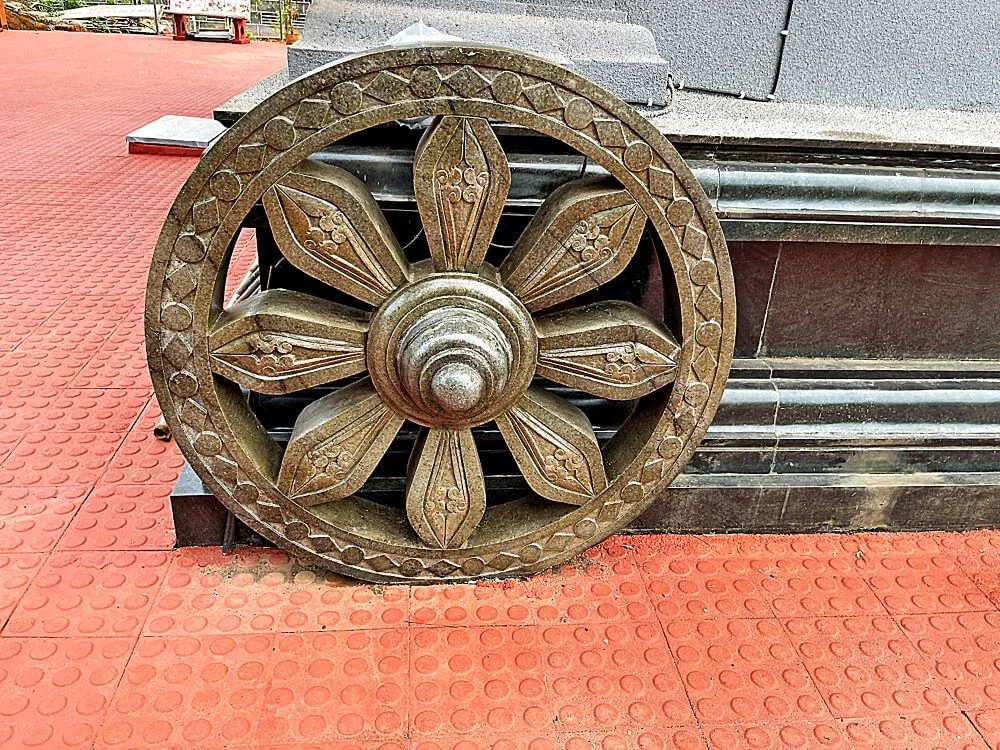
Approaching the temple involves passing through flower gardens and ornamental plants before ascending steps to the main complex. Two large elephant statues guard the entrance, and the temple’s stone walls, finished with a “stone spray” technique, give the impression of having been carved from a single block. Its exterior is encircled by carved stone wheels, five on each side, symbolizing the yatra chariot in motion.
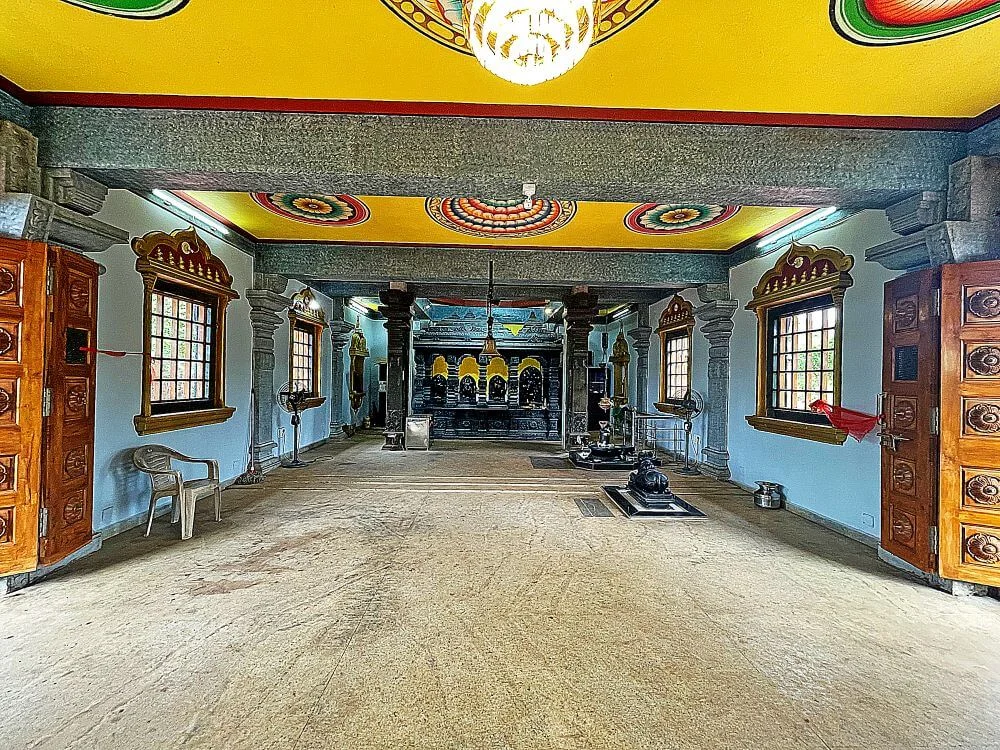
The temple layout follows the traditional sequence of Darshan Mandap – Sabhamandap – Sanctum (Garbhagriha), resting on a 3‑foot-high base accessed via five steps. The Darshan Mandap has four pillars and five spires, while decorative stone canopies house idols of Manai Devi and Bhairi. Inside the hall, a black‑stone Nandi sits to the left, facing a Shivling, with a circumambulatory path around the sanctum.
Within the sanctum, the central idol of Varadan Devi is carved in stone along with her crown, ornaments, weapons, and an intricately sculpted backdrop. Surrounding her are the idols of Vaghjai, Gudhai, and Baji, all contributing to the temple’s divine aura. The exterior walls feature murals of prominent goddesses — Renuka Mata (Mahurgad), Saptashrungi (Vani), Tulja Bhavani (Tuljapur), and Mahalaxmi (Kolhapur). Behind the temple, ancient stone idols are displayed in a neat row.
The temple’s most significant celebration is the Samayatra Festival, held every three years in an intercalary month (adhik maas). This three-day event begins on Paush Purnima with palanquin processions of the five deities through the village. On the second day, a towering 50‑ft aina tree is felled, shaped into a ceremonial pole, and paraded through neighbouring villages before installation. On Purnima, devotees gather on the festival platform (bagad) to offer collective prayers accompanied by traditional drum and shehnai music — a profound ritual of unity and devotion
This Website is developed by

Aseemit Services & Solutions
Contact : +91 7219259149
Nearby Facilities for Visitors
-
Bus Stop :
Dahivali Budruk -
Railway Station :
Savarde -
Airport :
Ratnagiri
-
Mechanic :
Savarde -
Petrol Pump :
Savarde -
Medical Help :
Savarde