Mankeshwar Mahadev Temple, Zhodge
13th-Century Hemadpanti Shiva Temple
Find here
How to
Reach
The site is accessible via motorable road right up to the temple premises
Best Time to
Visit
The best months to visit are October to March, when weather is pleasant
How Much Time Do You Need?
About Mankeshwar Mahadev Temple, Zhodge
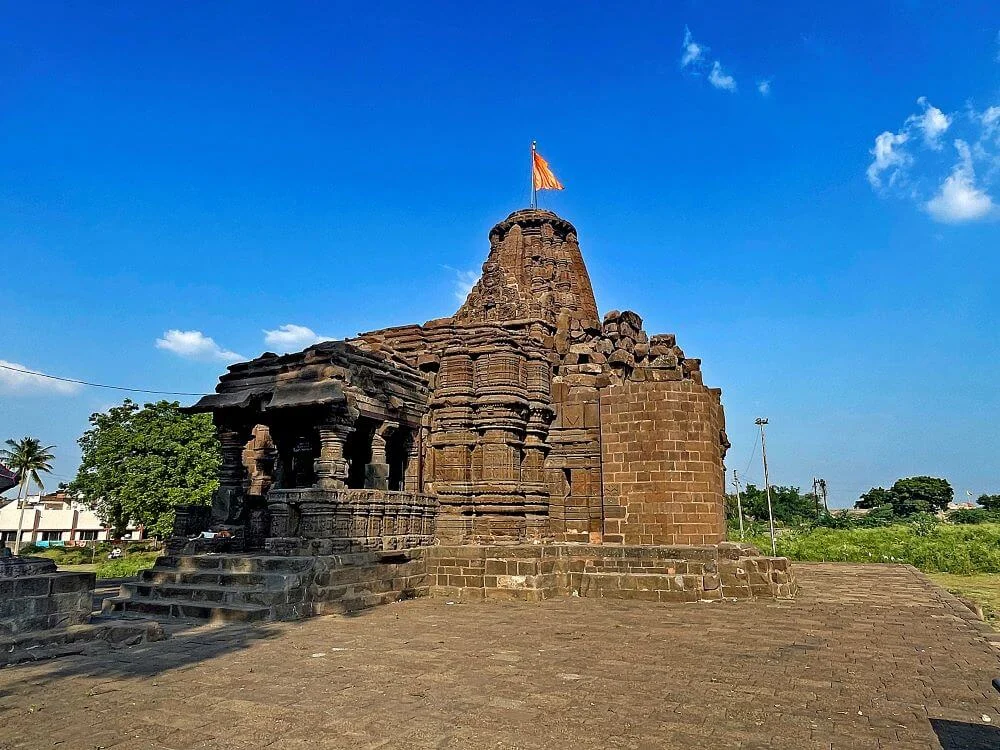
Near the Nashik–Dhule border, in the quiet village of Zhodge near Malegaon, stands the magnificent Mankeshwar Mahadev Temple, a stunning 13th‑century Hemadpanti architectural marvel from the Yadava period. This centrally protected monument under the Archaeological Survey of India is renowned for its intricate carvings and unique Tridal design — featuring three sanctums (Garbhagrihas), with the central shrine dedicated to Lord Shiva flanked by two smaller ones.
Historical records credit Hemadri Pandit, the celebrated Yadava-era minister and architect, with building this temple for Nath‑panth monks residing on nearby Jhoting Hill, from which the name “Zhodge” is believed to have originated. Today, it stands as one of the region’s finest preserved monuments, captivating visitors with its artistry, proportion, and spiritual ambiance.
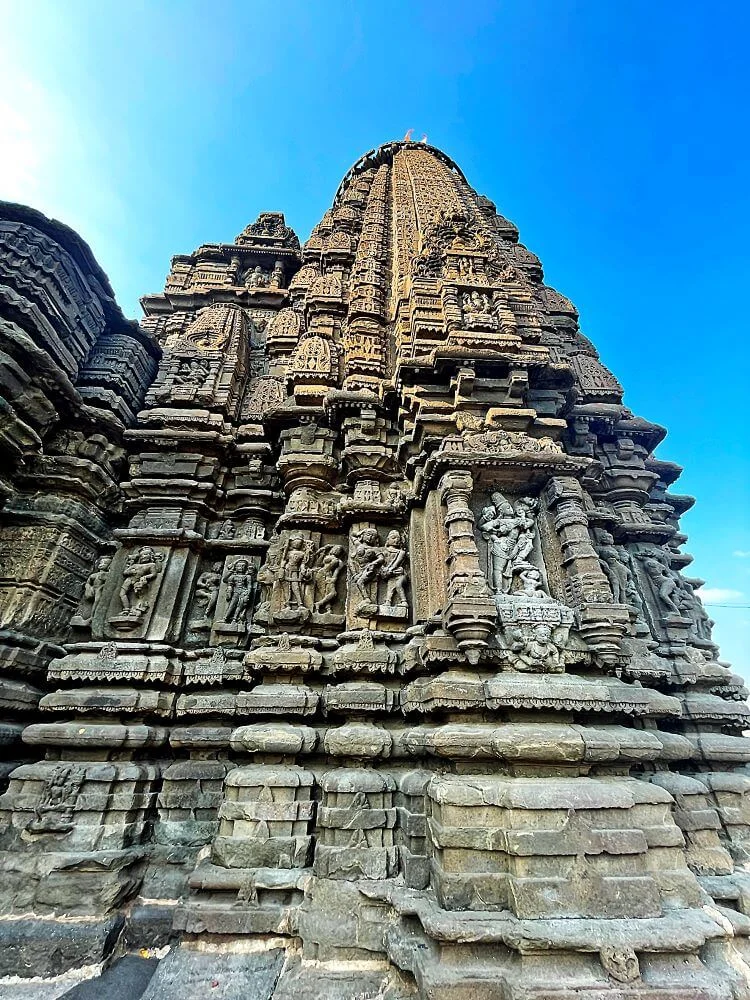
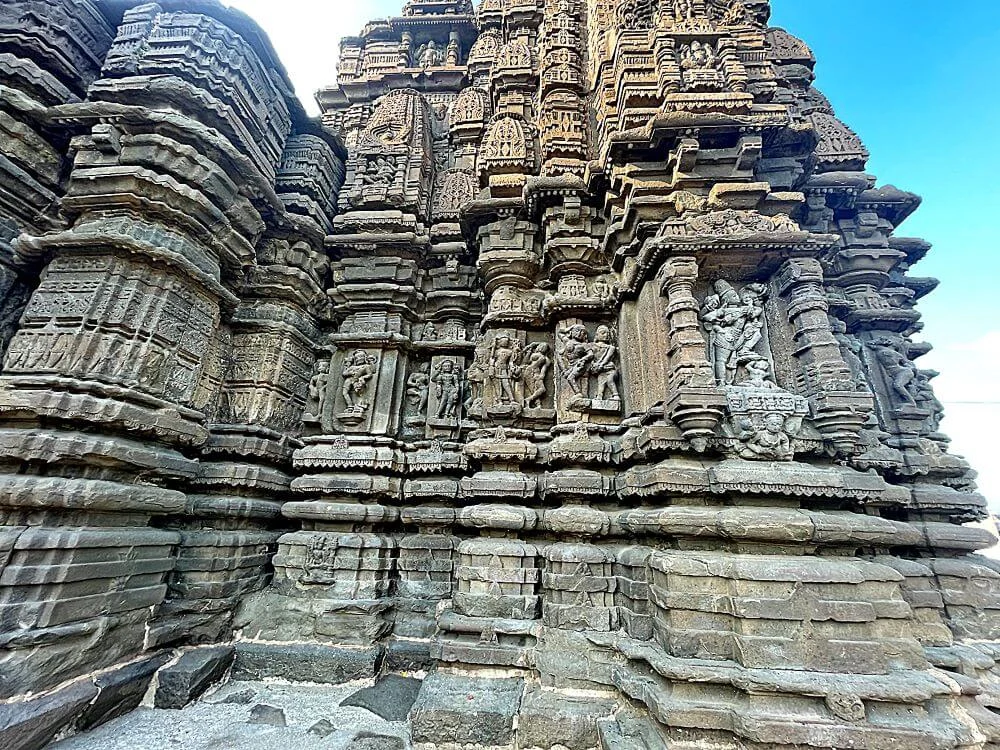
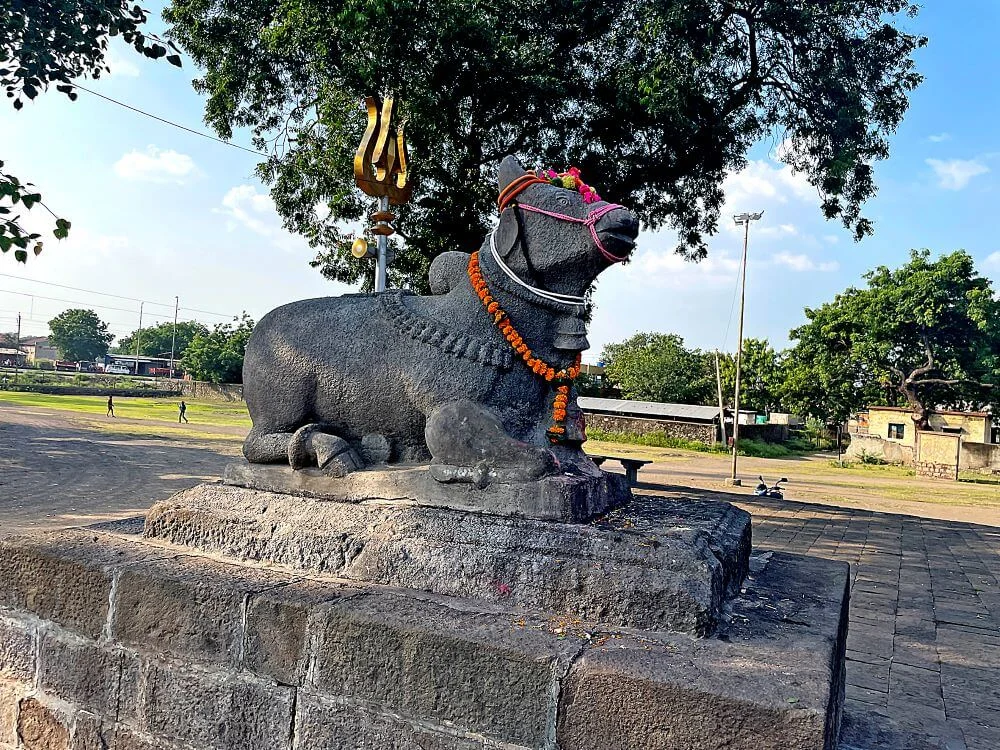
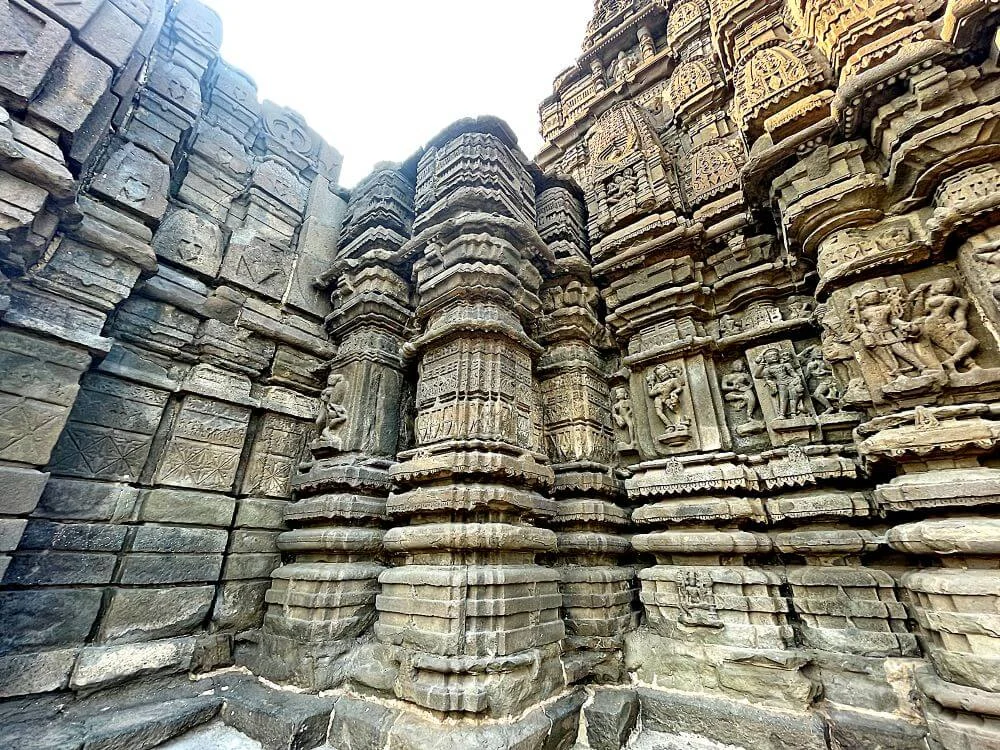
The temple’s west-facing facade opens into a spacious courtyard, enclosed by protective fencing. A beautifully carved Nandi idol rests on a platform facing the main sanctum. The architectural plan comprises a Mukhmandap (entrance porch), Sabhamandap (assembly hall), Antaral (vestibule), and sanctum. Every surface, from base to spire, is covered in hundreds of sculpted figures. Among the standout motifs is the rare Simha Vyal — a lion rearing on two legs — along with panels of dancing apsaras, musicians, and mythological narratives.
Inside the Sabhamandap, twelve pillars are adorned with ornate detailing, depicting celestial dancers (Yakshas and apsaras) mid-performance. Windows on the eastern and western walls fill the interior with natural light, while ceiling carvings portray dance scenes. The two side chambers behind the main sanctum are thought to have stored deity offerings or ritual implements, possibly added a few decades after the original construction.
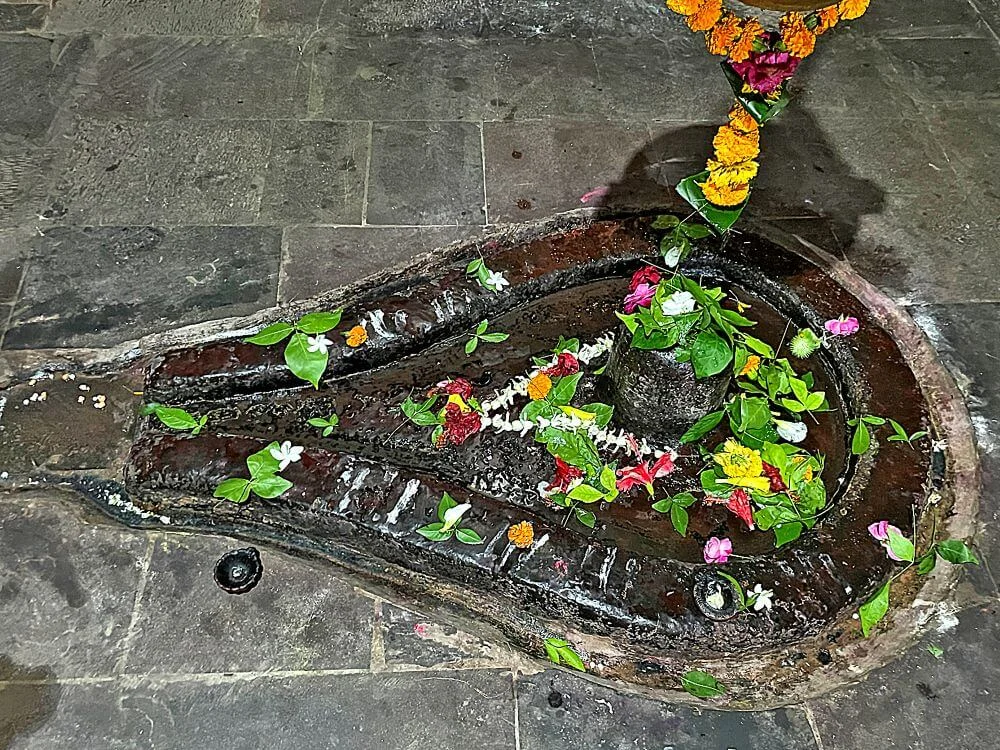
The sanctum doorway is richly decorated with carvings of apsaras, yakshas, and kinnaras, crowned by a lintel featuring Lord Ganesha. A black stone Shivalinga rests inside, dramatically lit on certain days when the setting sun’s rays filter through precise apertures in the spire.
Externally, the walls host fascinating bas‑reliefs depicting Shiva’s exploits (including the slaying of Andhaka Asura), Vishnu’s Dashavatara, and other divine figures. Numerous surasundaris appear in lifelike poses — combing hair, applying ornaments, playing instruments — while mithuna (erotic) carvings add layers of symbolic meaning typical of Yadava-period art. The spire (Shikhar) itself is exceptional, combining miniature replica spires and three interwoven kirttimukhas, showcasing both elevational grandeur and functional precision.
Festival celebrations are an integral part of Mankeshwar’s cultural landscape. Maha Shivratri draws massive crowds for religious rituals and traditional wrestling competitions. On Diwali Padwa, the temple transforms into a beacon of light during Deepotsav, with approximately 2,500 lamps illuminating its carvings in breathtaking brilliance
This Website is developed by

Aseemit Services & Solutions
Contact : +91 7219259149
Nearby Facilities for Visitors
-
Bus Stop :
Zhodge -
Railway Station :
Manmad -
Airport :
Nashik
-
Mechanic :
Zhodge -
Petrol Pump :
Zhodge -
Medical Help :
Zhodge