Aishwarya Mahadev Temple, Sinnar
11th-Century Dravidian-Style Shiva Temple
Find here
How to
Reach
Easily reachable via motorable road with parking facilities nearby
Best Time to
Visit
The best months to visit are October to March, when weather is pleasant
How Much Time Do You Need?
About Aishwarya Mahadev Temple, Sinnar
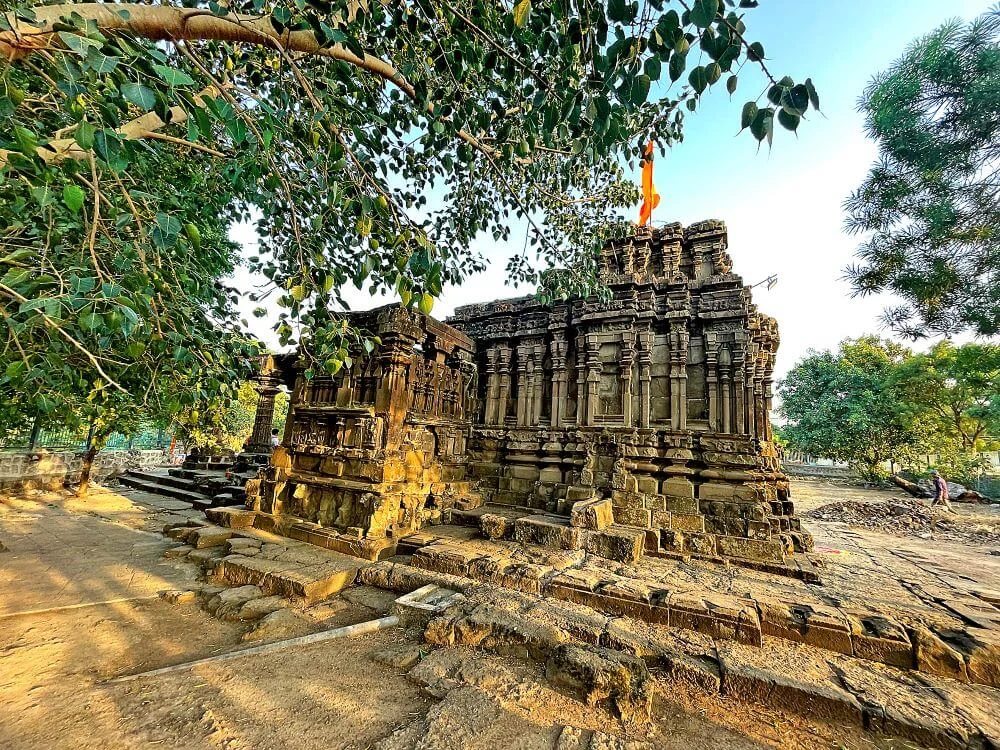
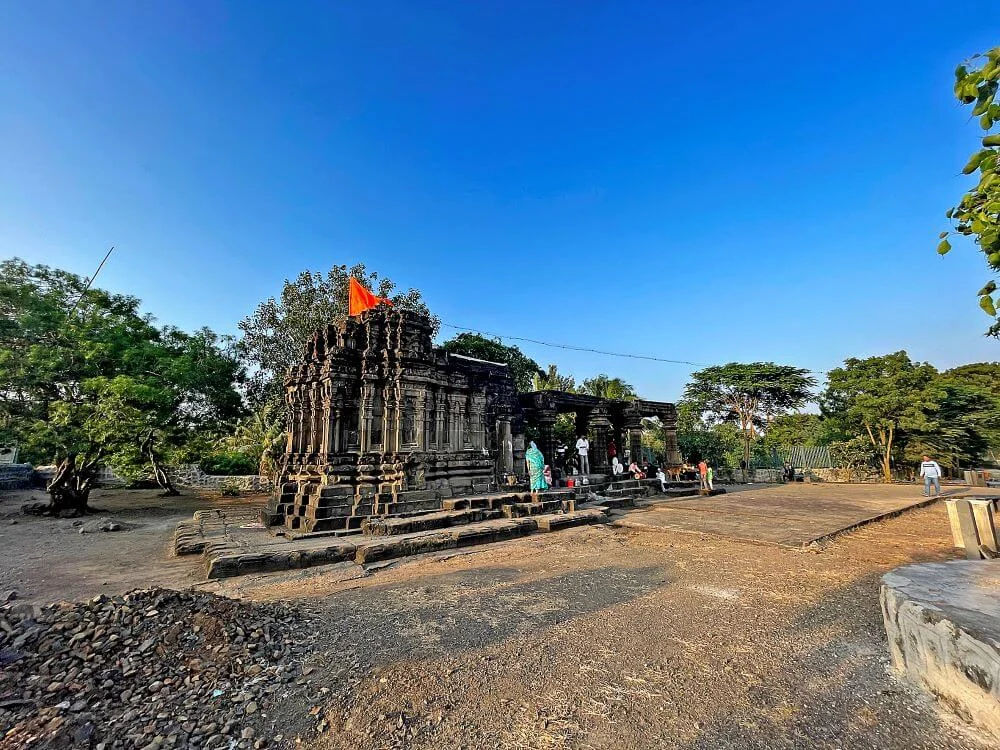
Near the serene banks of the Saraswati River in Sinnar stands the magnificent Aishwarya (Ayeshwar) Mahadev Temple, an exquisite relic of the Yadava period and the only temple in Nashik district built entirely in the southern Dravidian architectural style. During the era when Sinnar served as the capital of the Yadava dynasty, twelve Jyotirlinga shrines were established in the region, and this temple earned a prominent place among them for its architectural splendor and spiritual significance.
Also known as “Aishwaryeshwar” or “Ayeshwar,” the temple lies in proximity to the Nashik–Pune highway, making it easily accessible for pilgrims and history enthusiasts. Thought to have been constructed in the late 11th century CE during the reign of King Paramdev, son of Seunchandra Yadav, the shrine has been referenced in the archaeological text Sthanapothi — An Archaeological Study for its rare artistic features.
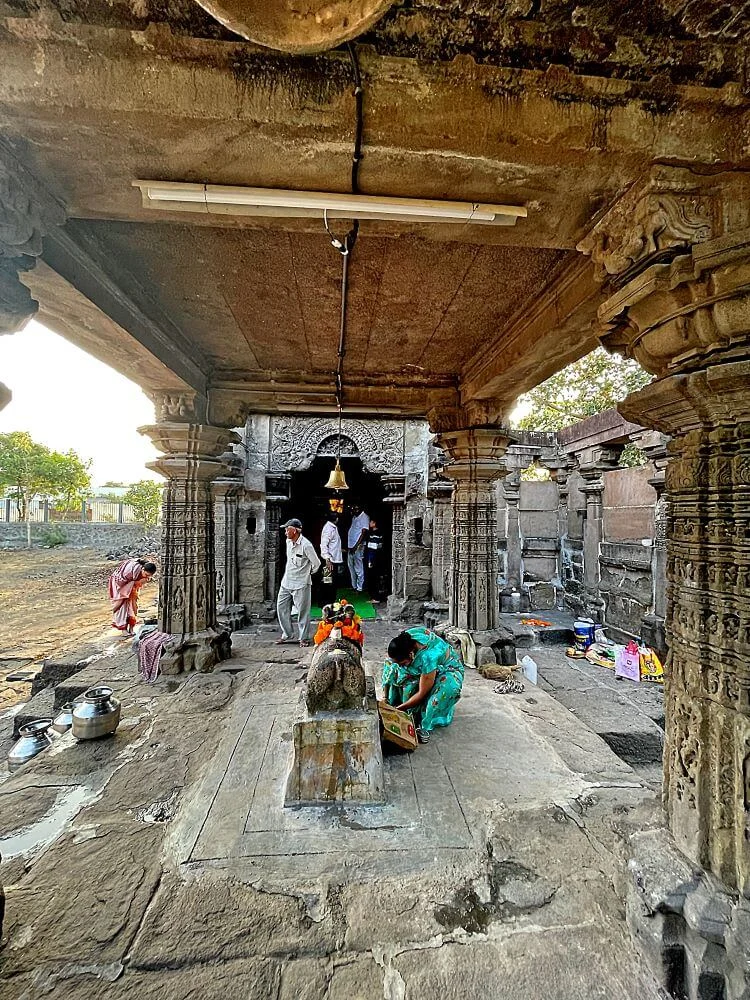
The east-facing temple follows a traditional layout of Sabhamandap (assembly hall), Antaral (vestibule), and Garbhagriha (sanctum). The Sabhamandap appears slightly detached from the main sanctum yet maintains architectural harmony. The elegantly carved pillars portray celestial maidens (Surasundaris) on their lower sections, while robust Yaksha figures form the upper support — a hallmark of lavish Yadava-era workmanship.
One of the most captivating features is the Makara Torana above the vestibule entrance arch. The torana showcases mythical sea creatures (Makaras) from whose mouths emerge finely detailed swans, garlands, miniature divinities, and floral patterns. Above the arch, a Chaitya window frames a vibrant panel depicting Lord Shiva dancing while Goddess Parvati observes, accompanied by celestial musicians — a compelling narrative in stone.
The vestibule ceiling (Vitana) bears images of the Ashta Dikpalas — the eight guardians of the directions — including Indra, Agni, Yama, Nirruti, Varuna, Vayu, Kubera, and Ishana, each rendered with meticulous attention to iconographic detail.
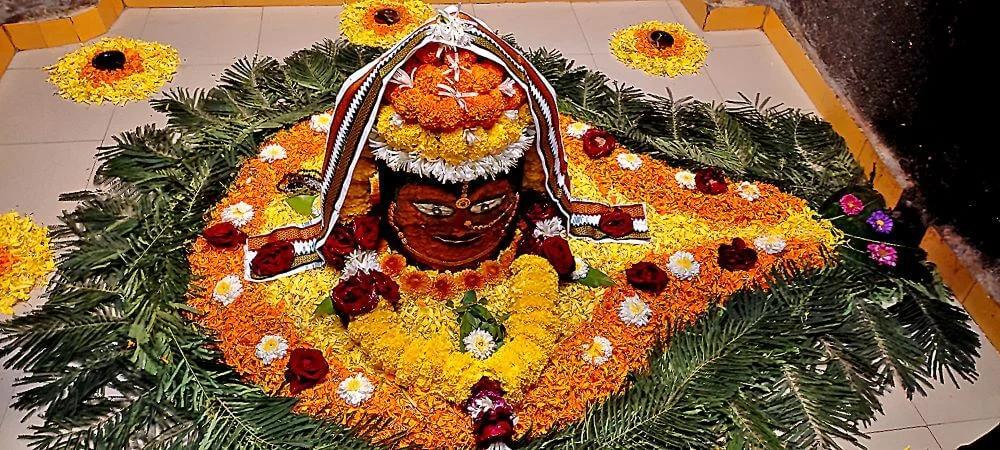
The sanctum doorway’s upper lintel is adorned with the Saptamatrikas (Seven Mother Goddesses) flanked by Shiva, Ganapati, and Bhairava, totaling eleven divine figures. The central panel features Goddess Gajalakshmi, symbolizing prosperity, with reclining Vishnu on Shesha and Brahma shown beneath her. Two monumental guardian figures (Dwarapalas) guard the entrance, leading to a simple yet spiritually resonant black stone Shivling in the sanctum.
Now maintained as a state-protected monument under the Department of Archaeology, the temple precinct is fenced and well-maintained, with pathways and visitor amenities. Despite its central location within Sinnar, the temple exudes tranquility, serving as both a vibrant place of worship and a cherished heritage landmark. Major festivals like Maha Shivratri and Shravan Somvar bring the temple to life with devotional fervor
This Website is developed by

Aseemit Services & Solutions
Contact : +91 7219259149
Nearby Facilities for Visitors
-
Bus Stop :
Sinnar -
Railway Station :
Nashik Rd -
Airport :
Nashik
-
Mechanic :
Sinnar -
Petrol Pump :
Sinnar -
Medical Help :
Sinnar