Rameshwar Mahadev Temple, Akaloli
Shiva Shrine with Healing Hot Springs near Mumbai-Thane
Find here
How to
Reach
Located 28 km from Bhiwandi and 56 km from Thane city, the temple is accessible by state buses and private vehicles all the way to the parking area by a good motorable road
Best Time to
Visit
October to March is ideal for comfortable sightseeing and experiencing the temple’s grandeur in pleasant weather. The best time to visit is during major festivals, especially Maha Shivratri, Holi, and during annual Datta Jayanti
How Much Time Do You Need?
About Rameshwar Mahadev Temple, Akaloli
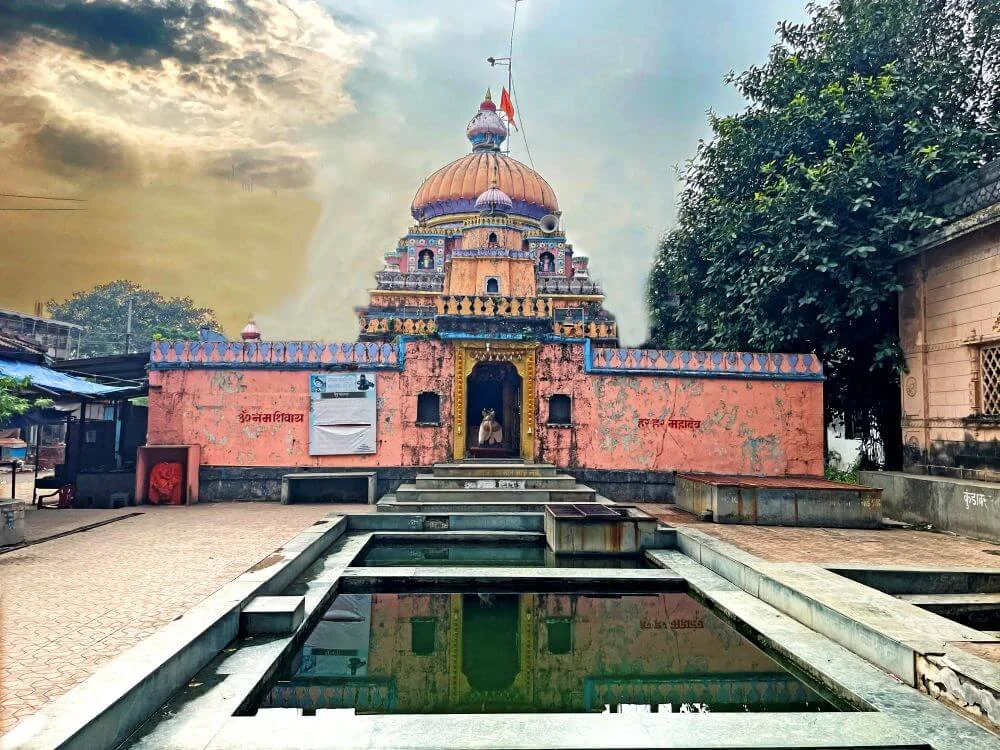
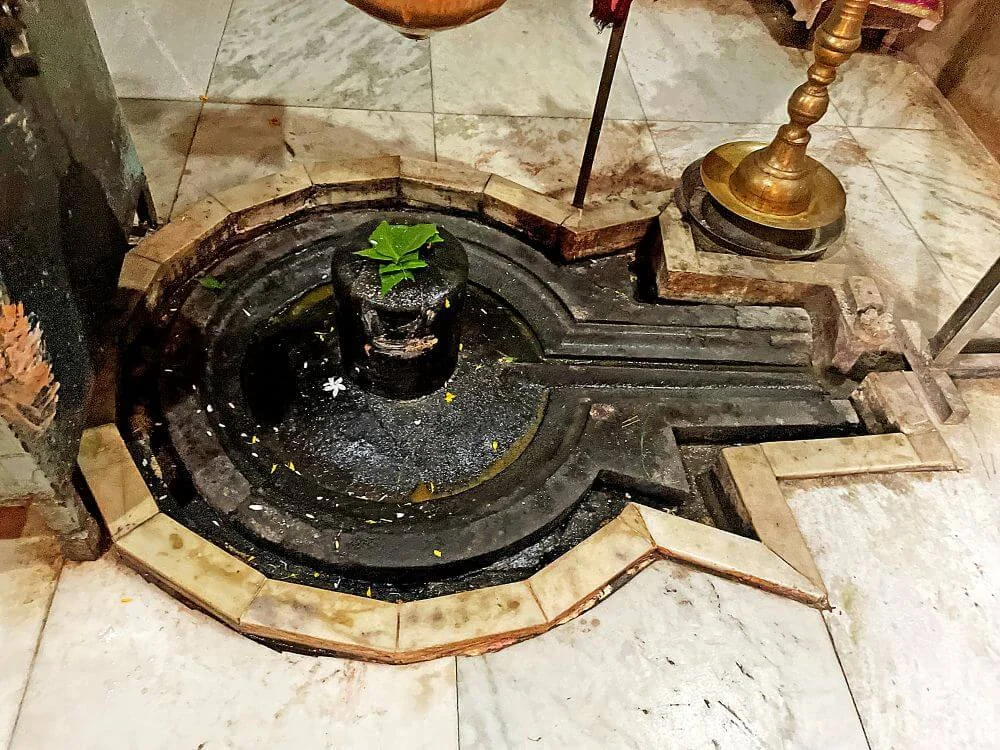
Nestled in Akaloli village near Vajreshwari, close to the Mumbai–Thane region, the Rameshwar Mahadev Temple is a sacred and ancient site that merges legend, healing traditions, and a deep connection to epic history. This temple is revered for both its awakened Shiva lingam and the natural hot water springs in front, which pilgrims believe were created by Lord Rama himself during his exile as described in the Ramayana. Bathing in these hot springs—known as Ram Kund, Sita Kund, and Lakshman Kund—remains an important ritual for devotees seeking cures for skin ailments and spiritual renewal.
According to legend, after slaying Ravana, Lord Rama incurred the sin of Brahmahatya and was advised by sages to install and worship a Shiva lingam to absolve it. Sita fashioned the original sand lingam, and Rama consecrated it, leading to the site’s traditional name: “Rameshwar”—the one who is the Lord of Rama. The Akaloli temple stands on land believed to have hosted the divine trio—Rama, Sita, and Lakshman—during their journey through Dandakaranya forest, a presence suggested by descriptions in Valmiki’s Ramayana.
The temple complex is surrounded by ancient trees and features a traditional stone Deepmala (lamp tower) at the entrance. Beside the temple stands a Sai Baba shrine built by Vasubhai Nambiar. Steps descend into the hot springs, whose water temperatures increase from Sita Kund (warmest) to Ram Kund and Lakshman Kund (hottest). The springs’ mineral-rich, sulfurous waters are due to volcanic activity beneath the Deccan plateau and offer a unique experiential offering for visitors
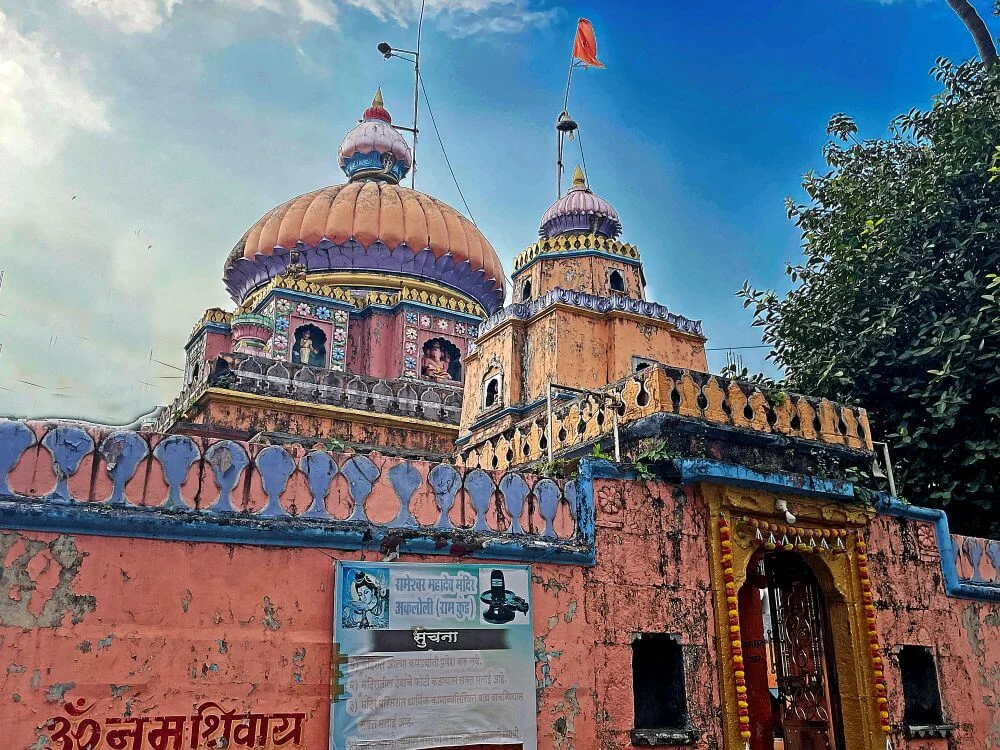
Inside, the temple houses a darshan mandap and a sanctum containing the revered Shiva lingam beneath a stone serpent, along with idols of Parvati, Krishna, Hanuman, and Dattatreya in nearby niches. The fortified walls, ornate dome, and stonework speak to centuries of spiritual devotion and architectural evolution. Swami Nityananda’s meditation chamber, containing his idol and sacred sandals, can be seen on the premises—honoring his eight-year residence here and influence on spiritual seekers
Festivals like Maha Shivratri, Holi, and Datta Jayanti bring vibrant fairs, mass bathing in the springs, ritual abhishek, and grand aartis. Evening palanquin processions and temple illuminations make these periods especially memorable for devotees
A short walk from the temple, the Tansa river’s banks host additional hot springs: Surya, Chandra, Shri, and Subhash Kund (on the riverbank) and three within the riverbed. The area is also home to the “Prati Shirdi”—a replica of the Shirdi Sai Baba temple—at Kelthan, offering further opportunities for spiritual reflection
This Website is developed by

Aseemit Services & Solutions
Contact : +91 7219259149
Nearby Facilities for Visitors
-
Bus Stop :
Akaloli -
Railway Station :
Bhiwandi -
Airport :
Mumbai
-
Mechanic :
Bhiwandi -
Petrol Pump :
Bhiwandi -
Medical Help :
Bhiwandi