Kanbai Temple, Sakri
Hemadpanti Temple and Medieval Deccan Architecture — Sakri, Dhule
Find here
How to
Reach
Kanbai Temple is easily accessible by a motorable road from Dhule and Sakri. Private vehicles and local State Transport buses can reach directly to Balsane village
Best Time to
Visit
The best time to visit Kanbai Temple is from November to February, when the weather is pleasant for exploring its stone carvings and surrounding relics. The most vibrant time to visit is during the Kanbai and Ranbai Festival, celebrated on the first Saturday, Sunday, and Monday after Nag Panchami, attracting thousands of devotees from all over Khandesh
How Much Time Do You Need?
About Kanbai Temple, Sakri
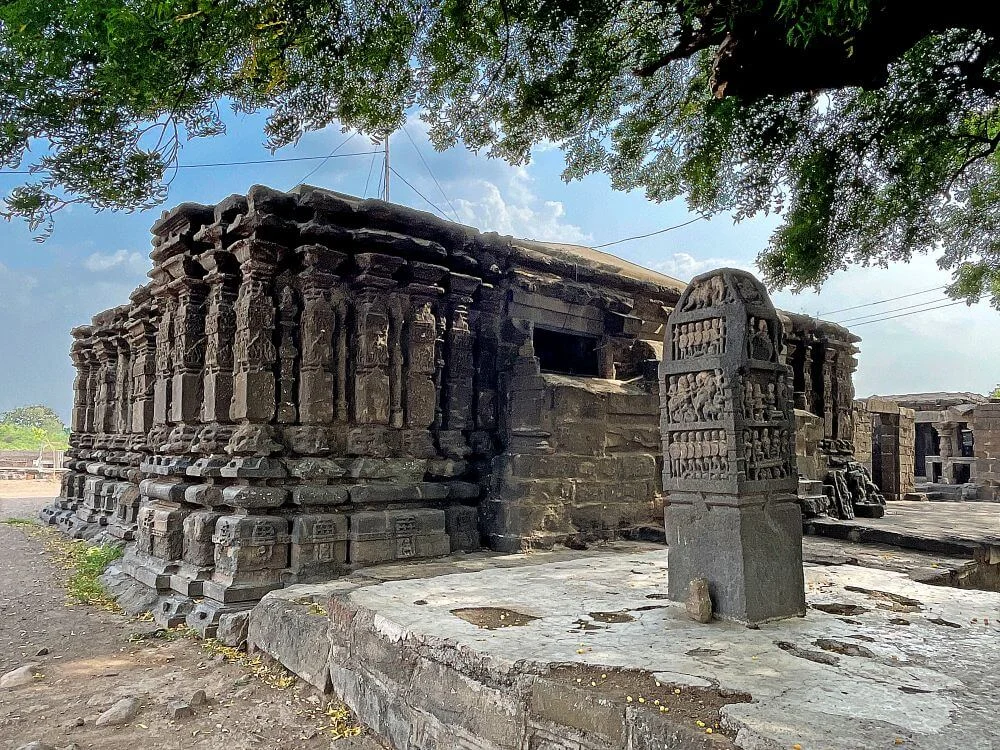
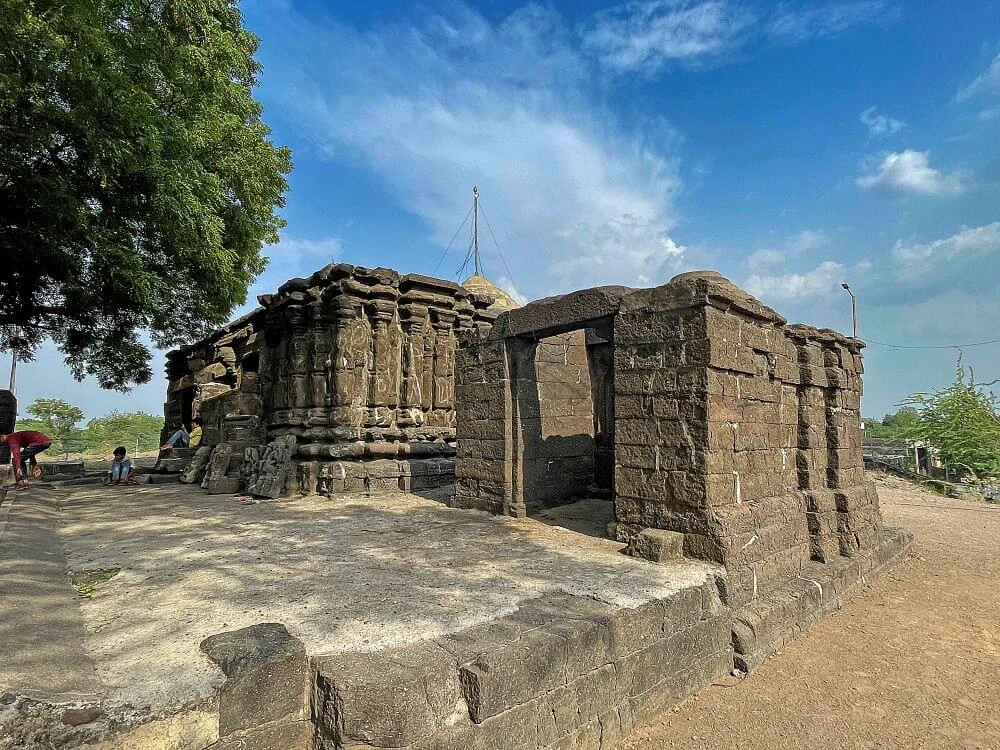
Kanbai Temple is a captivating example of India’s medieval temple architecture and artistry. Built in 1264 CE during the reign of Yadava King Bhoj II, the temple stands as a testament to the artistic excellence of the Yadava dynasty. Crafted entirely from black stone in the Hemadpanti architectural style, this temple complex once formed part of a fortified settlement, of which remnants are still visible.
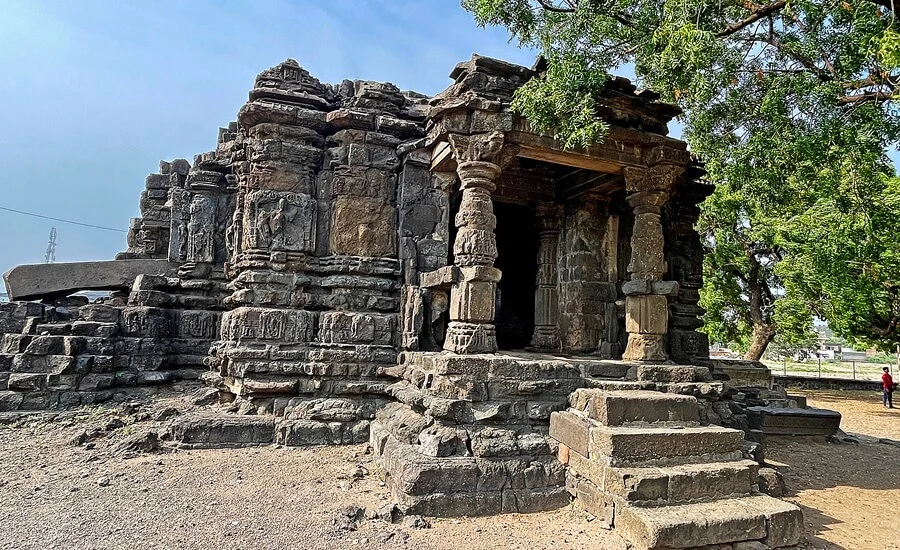
The temple’s entrance features captivating stone idols of Ganesha, Shiva-Parvati, Vishnu’s Dashavatar, and Vanadevi, believed to have belonged to earlier temples that once surrounded the structure. The ornate doorway is defined by three carved frames adorned with leafy motifs, floral engravings, and a majestic lintel carving of Lord Ganesha, symbolizing auspiciousness.
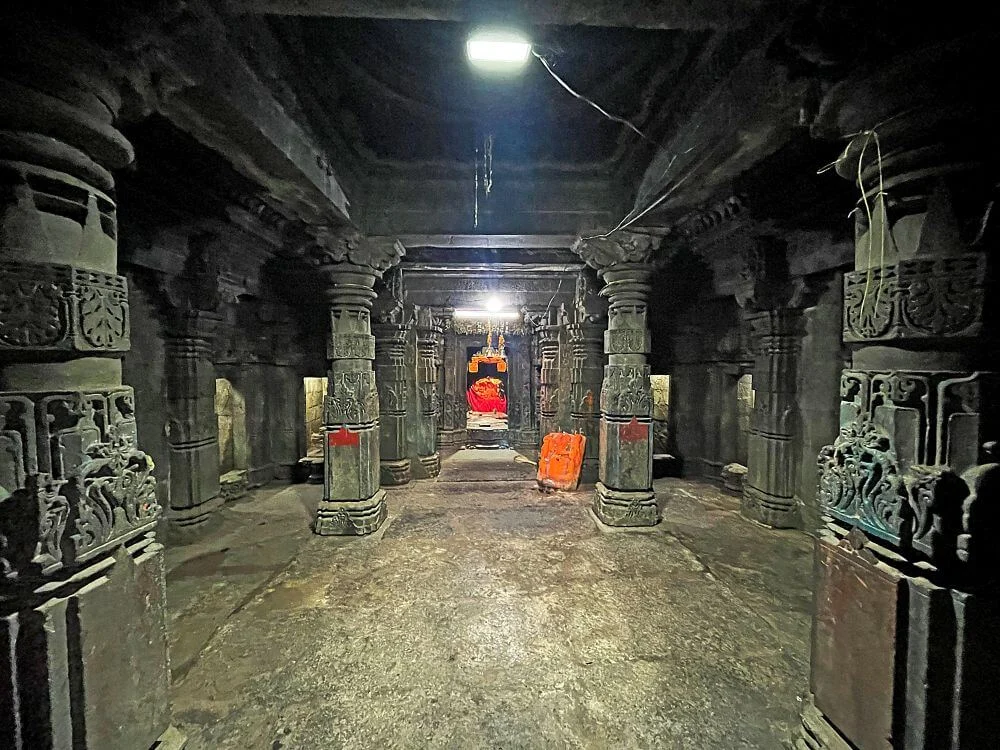
Inside, the mukhmandap (front hall) and sabhamandap (assembly hall) exhibit intricate carvings, with pillars showcasing yaksha figures supporting decorative beams. The ceilings display elaborate lotus designs and deities in multiple tiers. Along both sides of the sabhamandap are ten subsidiary shrines, each housing idols of different gods and goddesses.
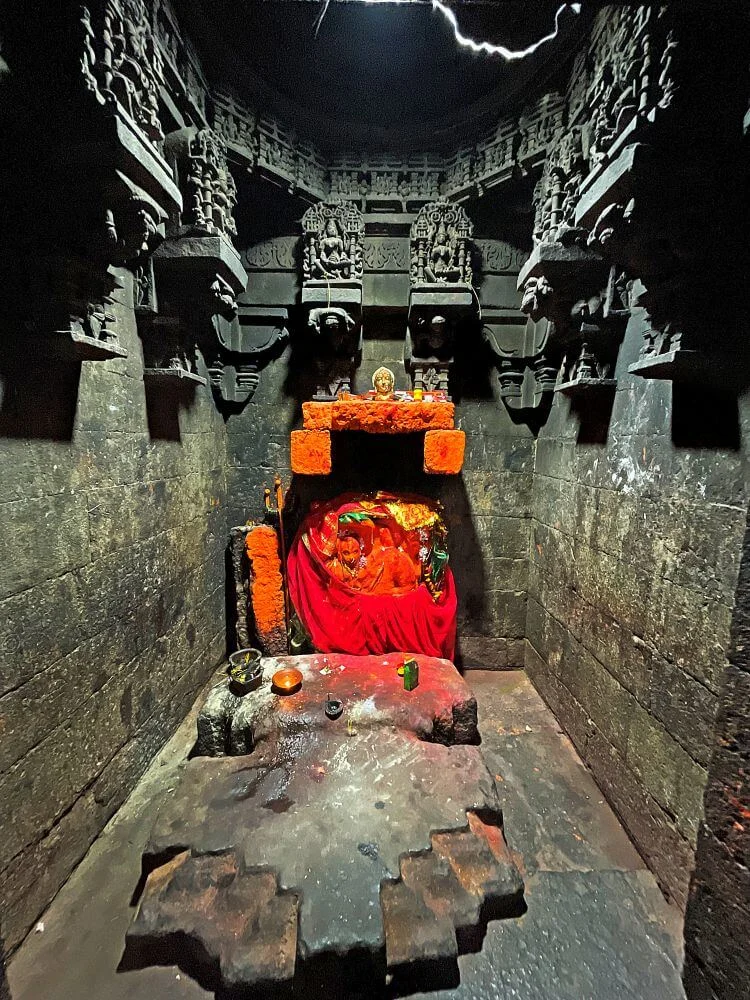
The sanctum entrance reveals splendid carvings of Varaha (Vishnu’s boar incarnation) on the left and Narasimha slaying Hiranyakashipu on the right, indicating Vaishnavite influences. Inside the sanctum, the main idols of Kanbai and Ranbai, coated with vermillion, rest on a stone pedestal, exuding a divine aura.
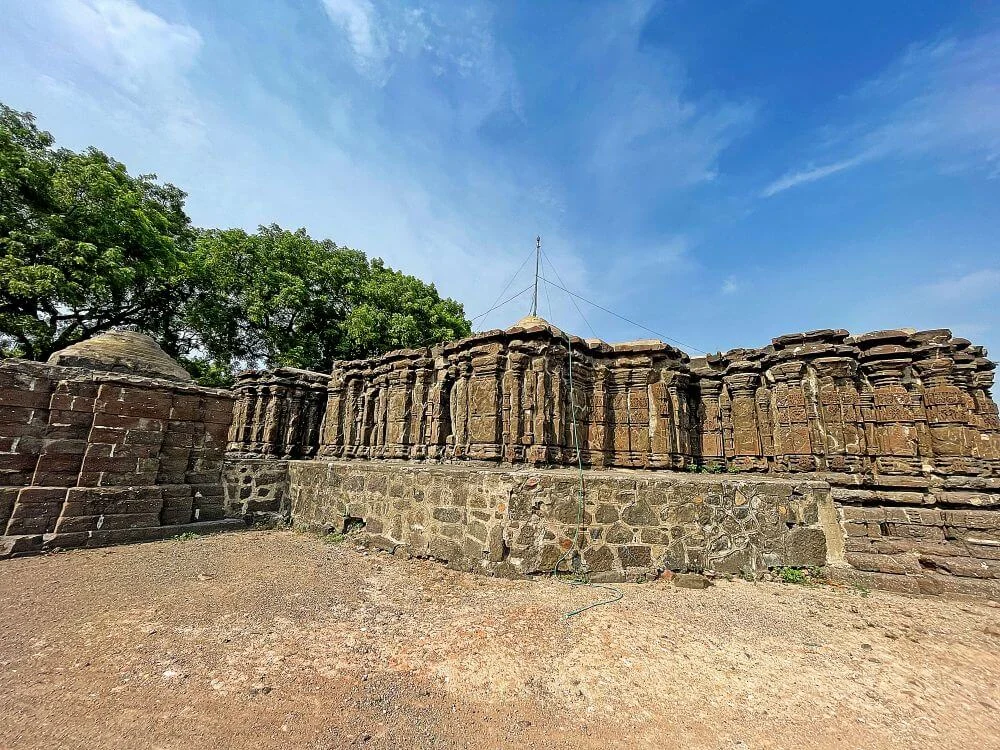
The temple’s outer walls are richly carved, though its original spire collapsed centuries ago and is now replaced with a modest dome structure. Surrounding the main temple are several smaller shrines and idols, including Khakhli Mata, Parvati, Varaha, Shiva, and Bhavani. Hero stones, ancient wheels, and broken icons scattered across the courtyard stand as silent witnesses to its glorious past.
The temple holds immense significance in local folklore. It is said that the name “Khandesh” may have originated from the ancient term “Kan Desh,” the land devoted to Kanbai Devi. The Ahir rulers’ devotion to Lord Krishna also influenced the formation of the Ahirani language, derived from their rustic dialect Ahir Vani.
Today, the monument is protected by the Archaeology Department, ensuring preservation of this invaluable heritage site. Thousands of pilgrims gather annually for chakra puja rituals and to offer traditional delicacies like roth, puran poli, and varan-batti to the deity
This Website is developed by

Aseemit Services & Solutions
Contact : +91 7219259149
Nearby Facilities for Visitors
-
Bus Stop :
Balsane -
Railway Station :
Dhule -
Airport :
Jalgaon
-
Mechanic :
Balsane -
Petrol Pump :
Balsane -
Medical Help :
Balsane