Gavilgarh Fort, Chikhaldara
Historic Hill Fort in the Satpuda Landscape
Find here
How to
Reach
Chikhaldara is well connected by road to Amravati and other nearby towns. From Chikhaldara the fort is reached via forest roads / trails. Trek / walk required. Some portions involve forested trail, uphill climb to fort entrance and bastions; not extremely hard but moderate fitness helps. Suitable for visitors who are comfortable with climbing steps / steep paths and walking across uneven terrain
Best Time to
Visit
Between November and February (winter) when weather is cool, skies clearer. Post-monsoon (October) is good too. Avoid very heavy rains and intense summer heat
How Much Time Do You Need?
About Gavilgarh Fort, Chikhaldara
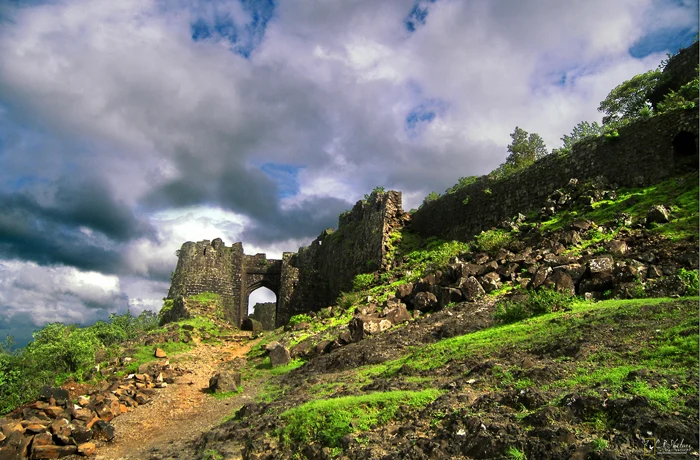
Perched high in the lower Satpura (Satpuda) range, Gavilgarh Fort is a striking relic of medieval and early modern Maharashtra, blending natural strength and architectural finesse. The fort overlooks thick forests, rolling hills, and, in clear weather, offers sweeping panoramic vistas—ideal for history lovers, trekkers, photographers, and nature enthusiasts
The origins of Gavilgarh are layered: local tradition holds that the fort was initially built by a Gavali ruler (a pastoral community) in early centuries in mud, later replaced and fortified by Deccani rulers. In 1425 AD, Ahmad Shah Wali of the Bahmani Sultanate took up these local defences and constructed stronger stone fortifications. In later centuries, the Imad Shahi, Nizam Shahi, Gond, Maratha and eventually British powers also had control over Gavilgarh, each leaving their imprint
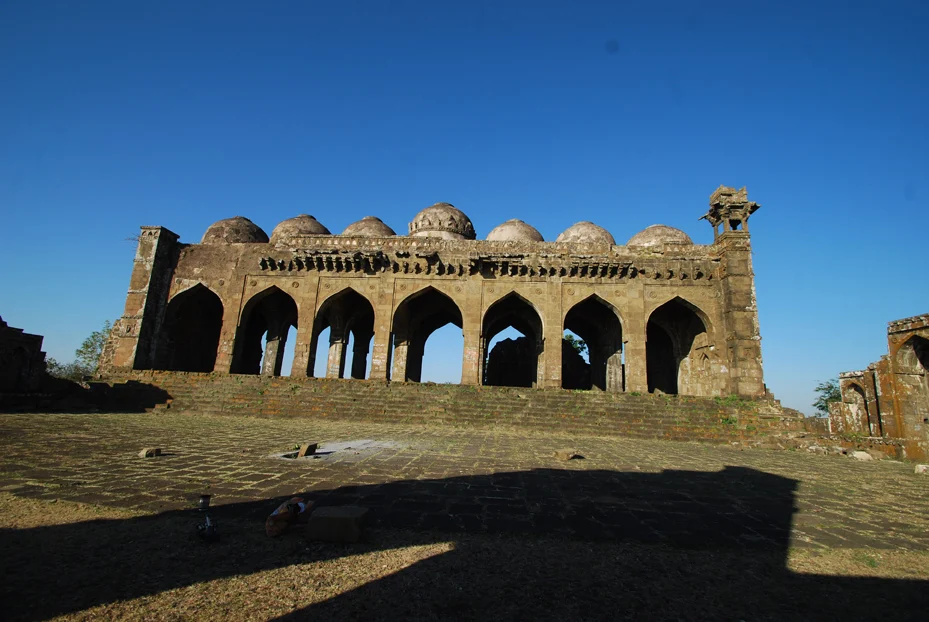
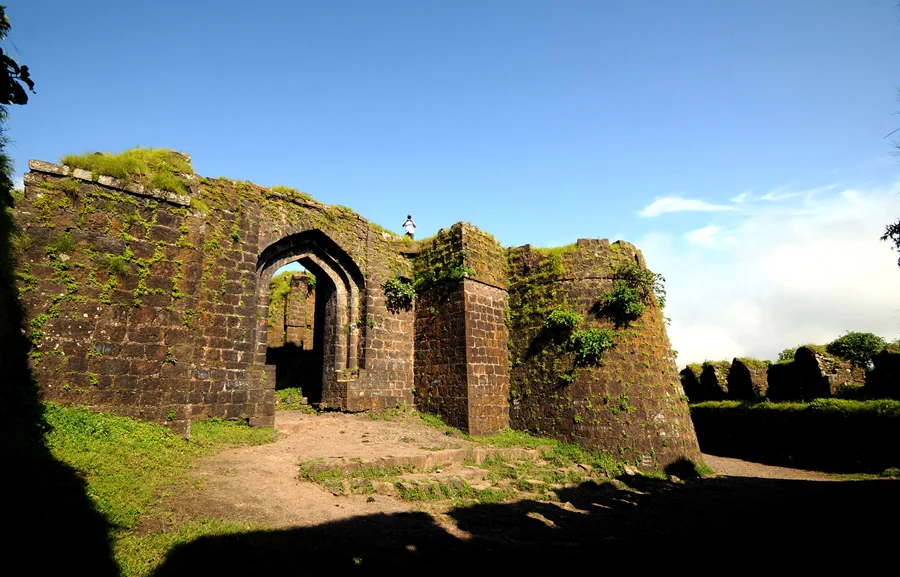
Within the fort ruins are many interesting features: multiple gateways including the “Delhi Darwaza” and the “Fateh Darwaza,” water reservoirs (lakes inside the fort), bastions, carved sculptures and inscriptions, animal motifs (lions, bulls, etc.), and remnants of mosques — especially a great mosque with multiple arches, and a smaller “Chhoti Masjid”
Though in ruins, the structures are impressive: you can see carved idols of Lord Hanuman, Lord Shankar, decorative arabesques, stone screens, and domed roofs in some of the mosque buildings. Ten cannons, made of iron, brass or copper, are still present—silent reminders of the martial past
Gavilgarh is also under the jurisdiction of the Melghat Tiger Project, which makes its surroundings ecologically sensitive and rich in biodiversity. The walk up to the fort gives visitors a chance to experience forest trails and scenic landscapes: dry deciduous forest, occasional wildlife, endemic flora
For someone visiting, this isn’t just a fort ruin — it is an immersive experience of history, nature, and quiet vistas. Visitors can spend several hours exploring mosques, gateways, water tanks, ramparts. The ruins are evocative, but safety and care are needed in parts
This Website is developed by

Aseemit Services & Solutions
Contact : +91 7219259149
Nearby Facilities for Visitors
-
Bus Stop :
Chikhaldara -
Railway Station :
Amravati -
Airport :
Nagpur
-
Mechanic :
Chikhaldara -
Petrol Pump :
Chikhaldara -
Medical Help :
Chikhaldara