Naroshankar Temple Nashik
Panchavati Temple and Historic Naroshankar Bell
Find here
How to
Reach
The temple is located in Panchavati, within Nashik city limits. Accessible by motorable roads, with ample parking and public transport availability
Best Time to
Visit
The best months to visit are October to March, when weather is pleasant. Also to experience festivities and local traditions and culture, visiting during Maha Shivratri or Shravan Mondays is must
How Much Time Do You Need?
About Naroshankar Temple Nashik
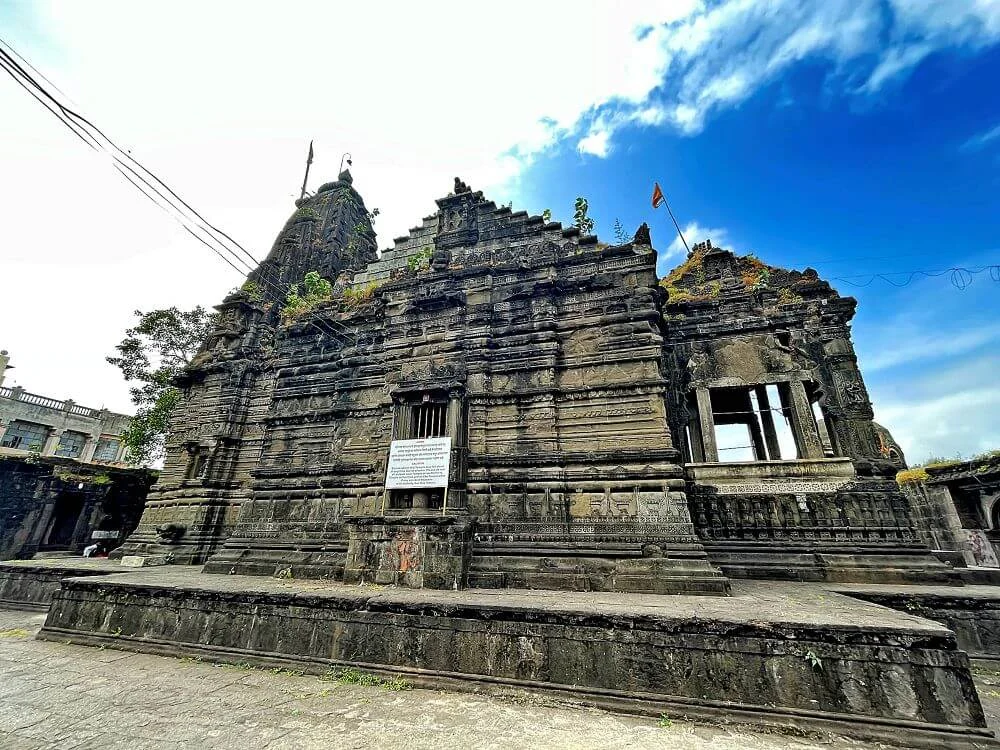
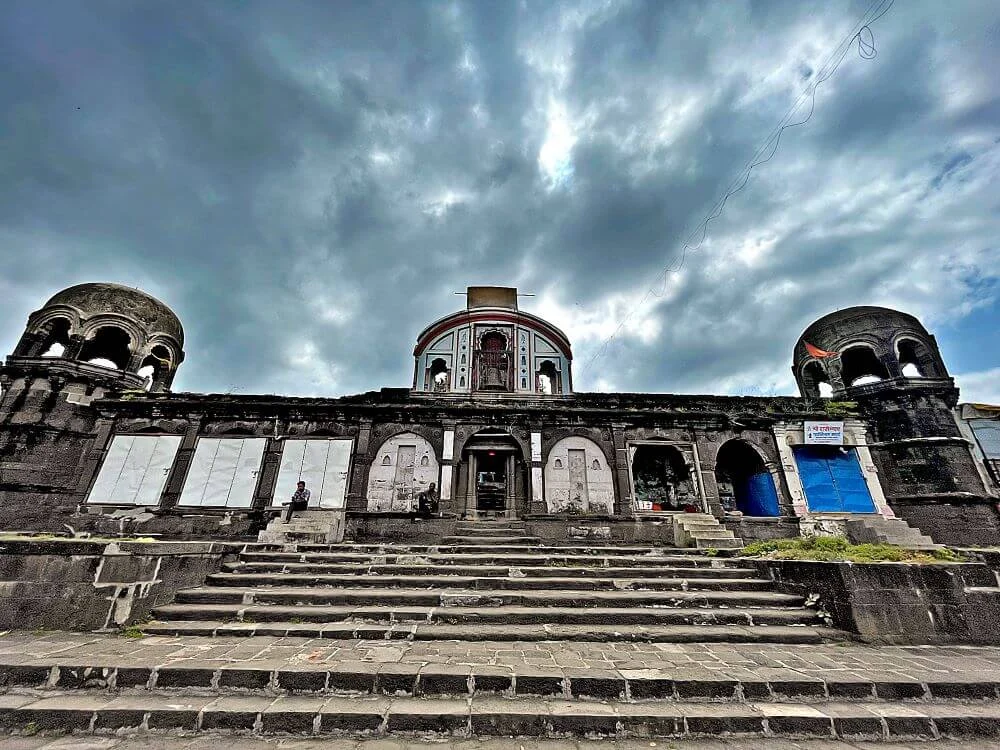
On the sacred banks of the Godavari River in Panchavati, Nashik, stands the magnificent Naroshankar Temple, also known as Rameshwar Mandir — a stunning example of 18th-century temple architecture and devotion. Built in 1747 CE by Sardar Naroshankar Raje Bahadur, this temple uniquely combines the Hemadpanti and Nagara styles, also referred to as Maya architecture. Rich with cultural heritage and artistic brilliance, the temple is as famous for its exquisite carvings as for its legendary Naroshankar Bell — an enormous bronze bell whose sound once echoed across miles, giving rise to the Marathi idiom “Naroshankarachi Ghanta” (Naroshankar’s Bell).
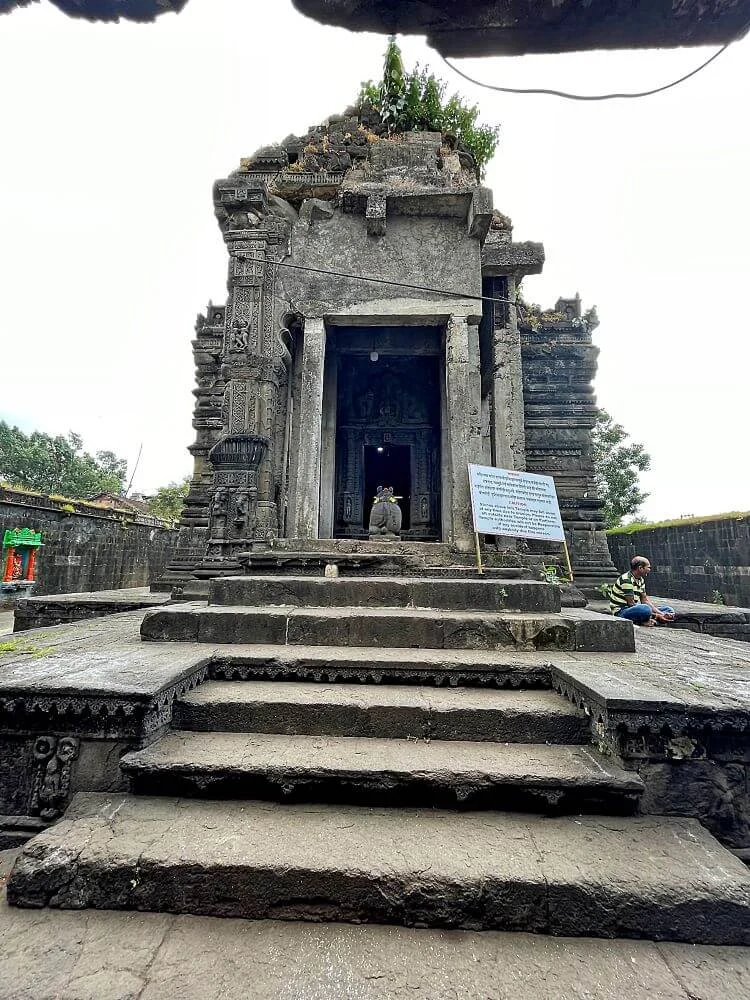
Standing on a raised platform along the Godavari, the temple was designed to withstand floods, featuring stone embankments and robust foundations. Four elegantly carved Rajput-style chhatris (pavilions) rise around the central sanctum — a formation known as Meghadambari. Its 26-meter-tall spire (shikhar) is adorned with sculpted figures of animals, deities, mythic scenes, and ornamental motifs such as peacocks wearing beaded garlands. The temple’s magnificent stonework was crafted by master artisans brought specially from Rajasthan and Gujarat.
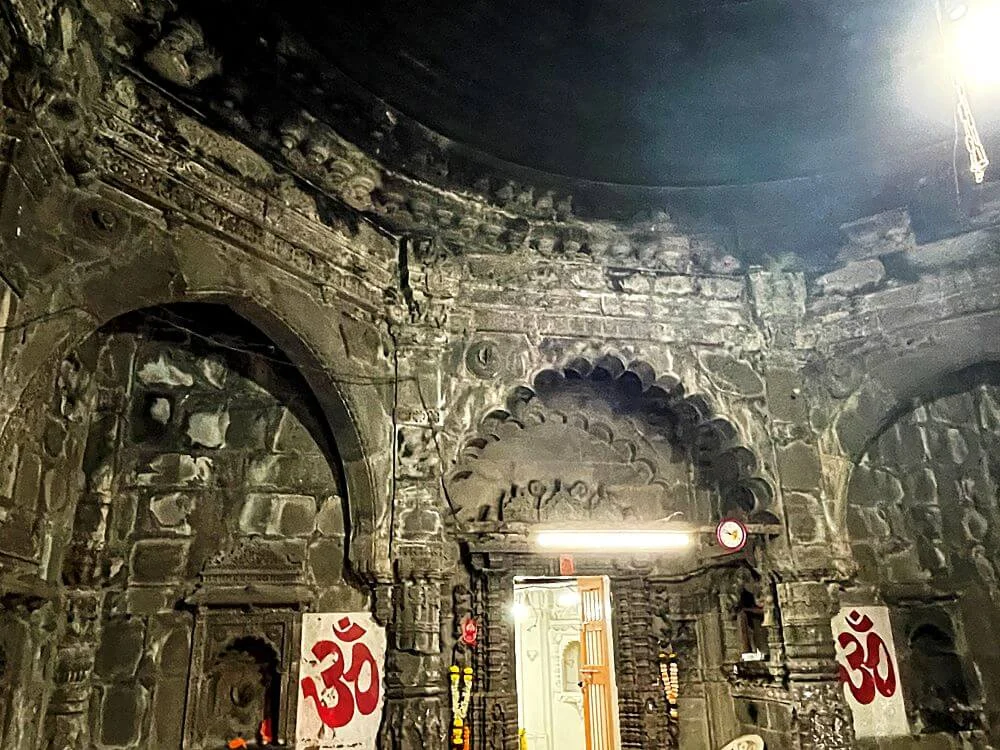
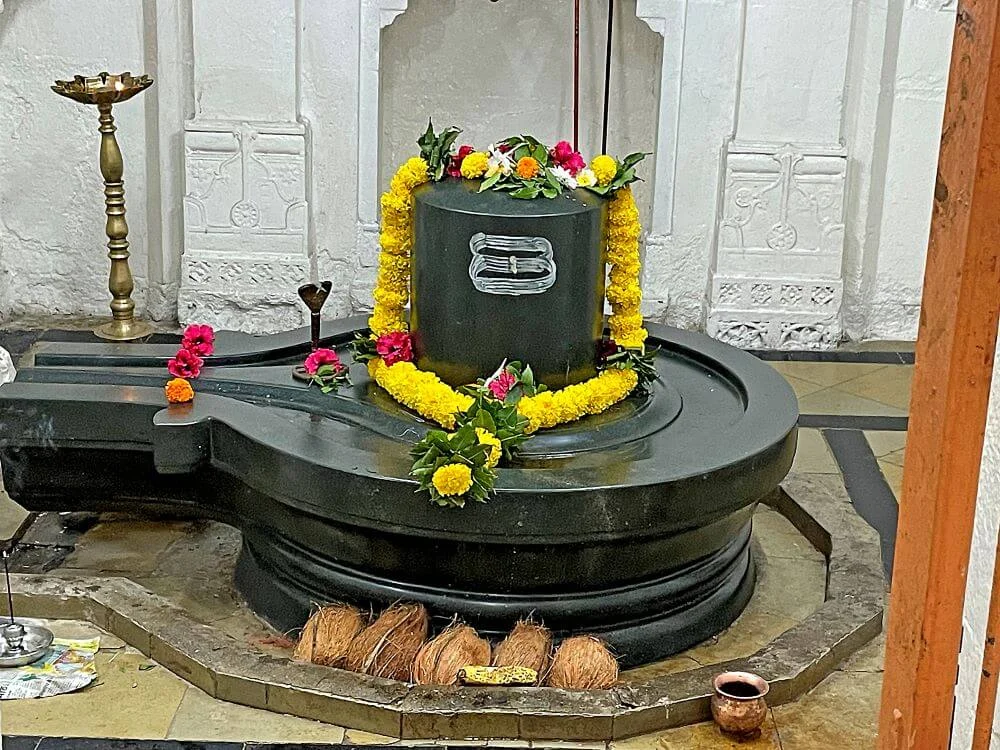
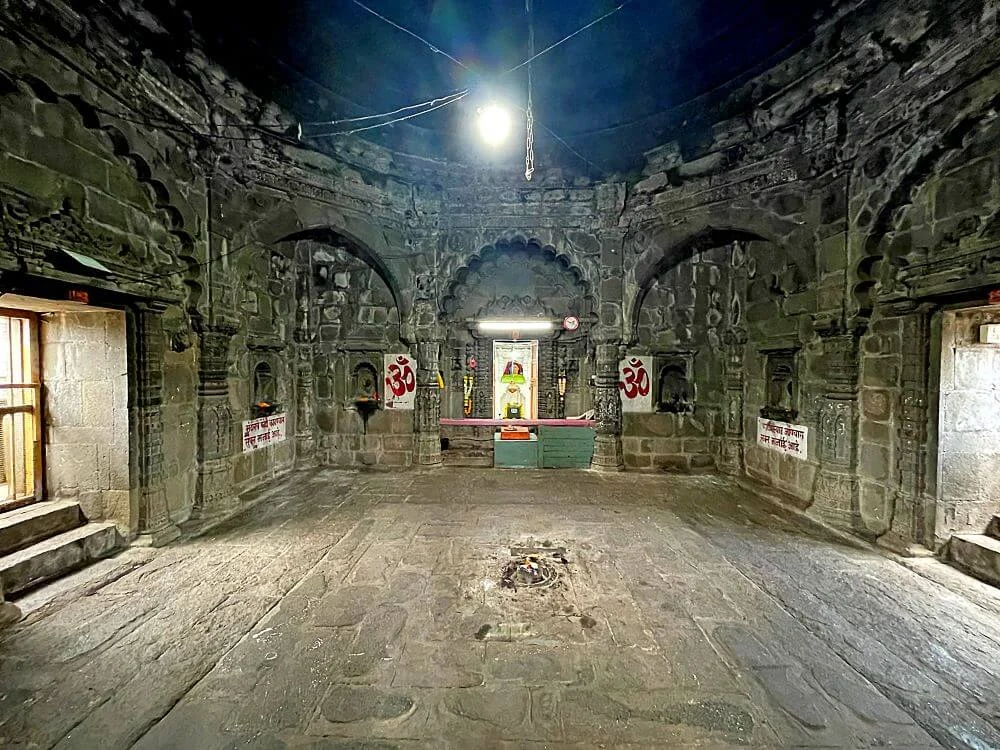
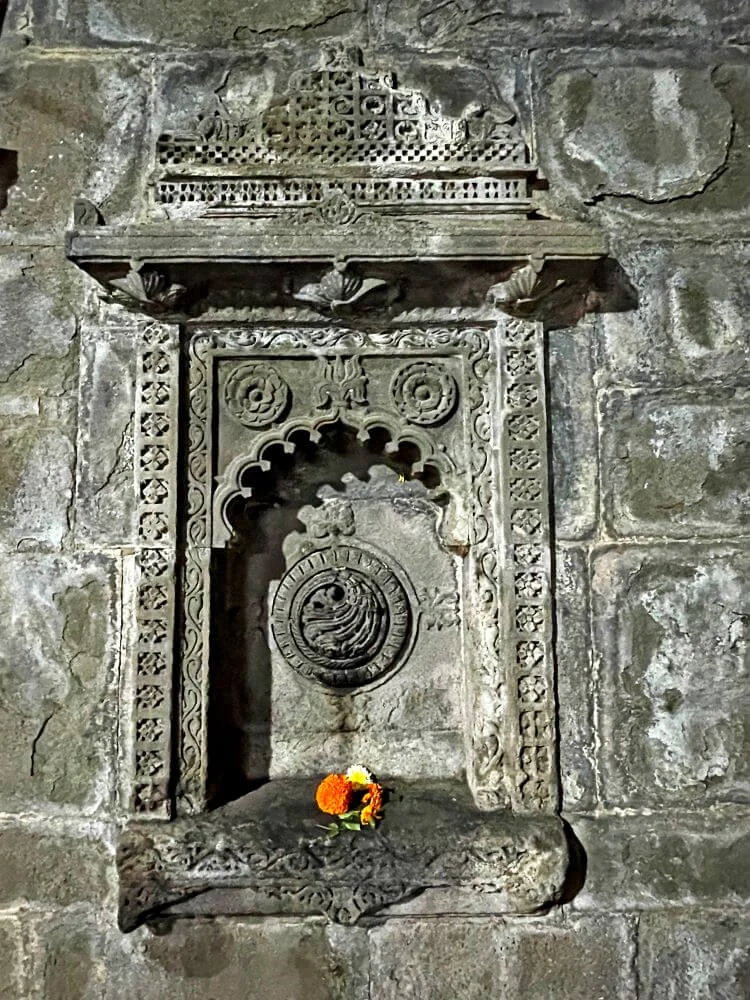
Inside, visitors are greeted by a Nandi mandap, followed by a Sabhamandap (assembly hall) leading into the Garbhagriha (sanctum). The walls and doorways feature intricate carvings of divine figures and celestial motifs, while the latticed stone windows allow gentle streams of sunlight to illuminate the shrine. The ancient Shiva Lingam housed within remains actively worshipped. Historical accounts suggest that Sardar Naroshankar Raje Bahadur personally began each day by offering prayers here. A beautifully engraved fish motif marks the outlet point of the abhishek water, symbolizing life, purity, and spiritual renewal.
The temple’s hallmark, however, is the Naroshankar Bell, which has earned an almost mythical status in Maharashtra. Cast in bronze by Portuguese artisans in 1721 for a church at Vasai Fort, the bell was brought to Nashik after Chimaji Appa (brother of Peshwa Baji Rao I) defeated the Portuguese in 1738. Three such bells were retrieved — one installed here at Naroshankar Temple, another at Bhimashankar, and the third at Bhairavnath Temple, Saswad. The Nashik bell, weighing over 900 kg with a 10 kg clapper, was installed in 1757 CE and soon became an acoustic and cultural marvel. Its booming resonance inspired a proverb in Marathi culture — likening widespread news or fame to “the ringing of Naroshankar’s bell.”
Surrounded by scenic riverbanks and historical significance, the temple not only serves as a revered place of worship but also stands as a hallmark of Peshwa-era craftsmanship and spirituality. When the Godavari River flooded in 1969, locals reported the bell ringing naturally as water levels rose, reinforcing its symbolic role as Nashik’s “flood gauge.” Today, the Naroshankar Bell remains intact and proudly features on the Nashik Municipal Corporation’s emblem, honoring its enduring legacy.
During Maha Shivratri, the temple glows with festive decorations as devotees gather for morning rituals, aarti, and abhishek ceremonies. Mondays in the month of Shravan also draw large crowds seeking Shiva’s blessings. The temple’s proximity to other sacred Panchavati landmarks such as Kalaram Temple and Sita Gumpha makes it an unmissable stop on Nashik’s spiritual trail
This Website is developed by

Aseemit Services & Solutions
Contact : +91 7219259149
Nearby Facilities for Visitors
-
Bus Stop :
Nashik -
Railway Station :
Nashik Rd -
Airport :
Nashik
-
Mechanic :
Nashik -
Petrol Pump :
Nashik -
Medical Help :
Nashik