Mallikarjun Temple, Loni Bhapkar
Hemadpanti Temple and Medieval Deccan Architecture — Baramati, Pune
Find here
How to
Reach
Easily reached by ST buses from Baramati or Morgaon. Private vehicles can drive directly to the temple grounds
Best Time to
Visit
October to March provides best, comfortable and pleasant weather. For festivities and spiritual experience, visit during Maha Shivratri and Shravan Mondays
How Much Time Do You Need?
About Mallikarjun Temple, Loni Bhapkar
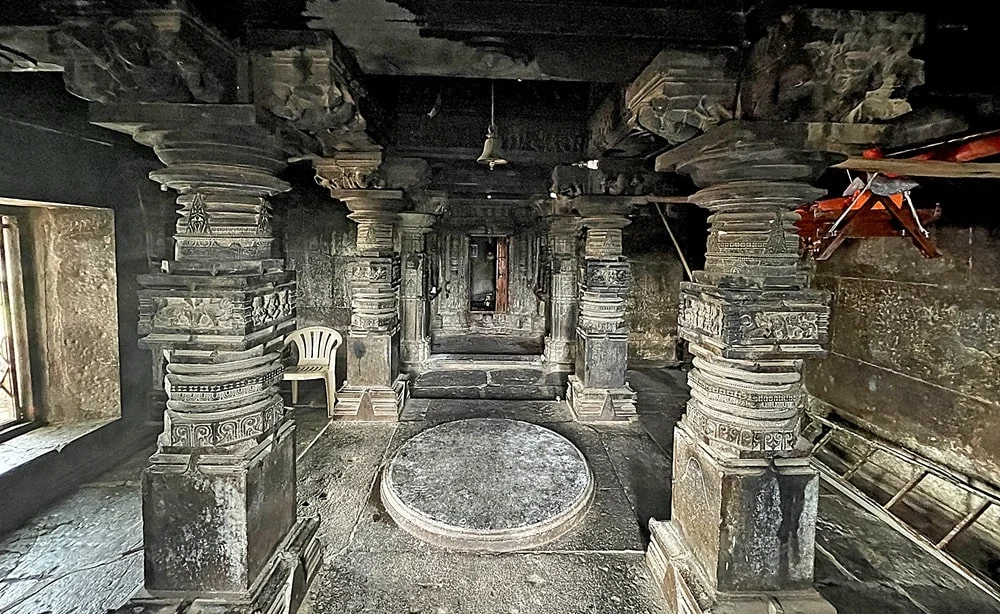
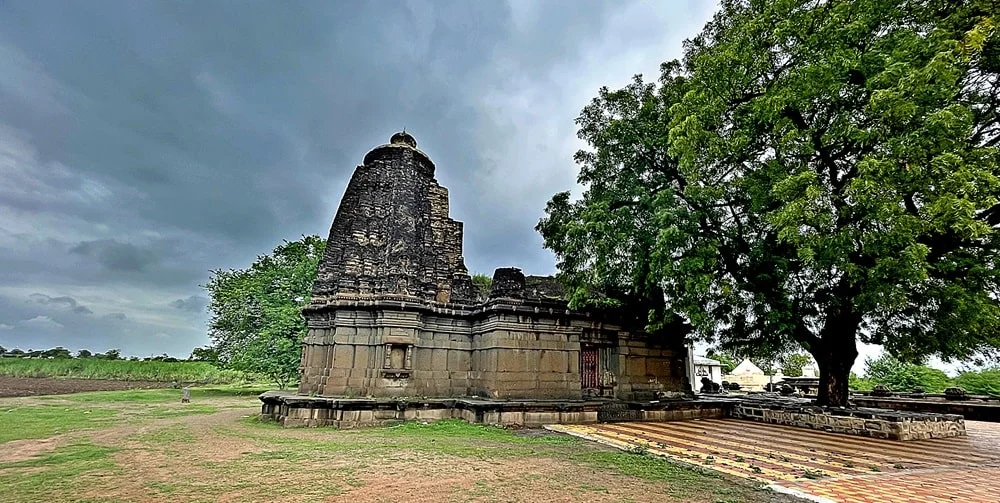
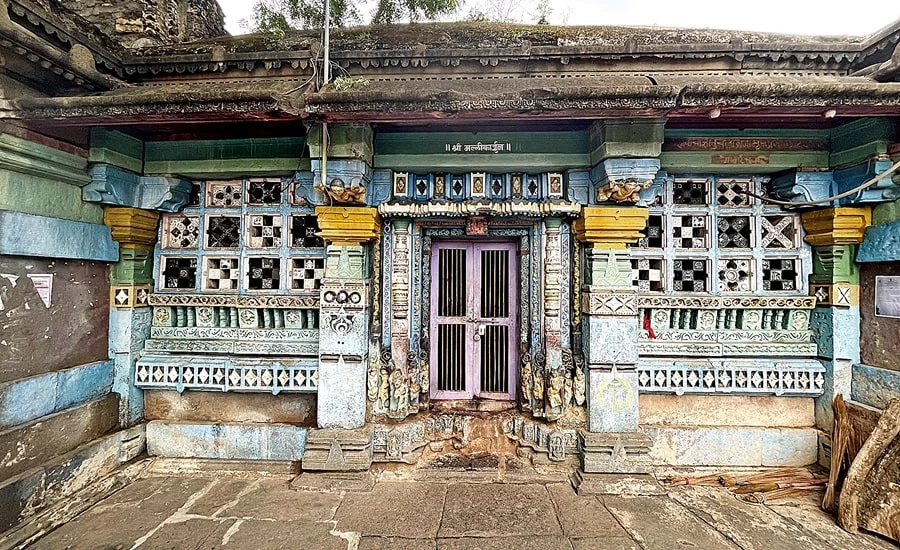
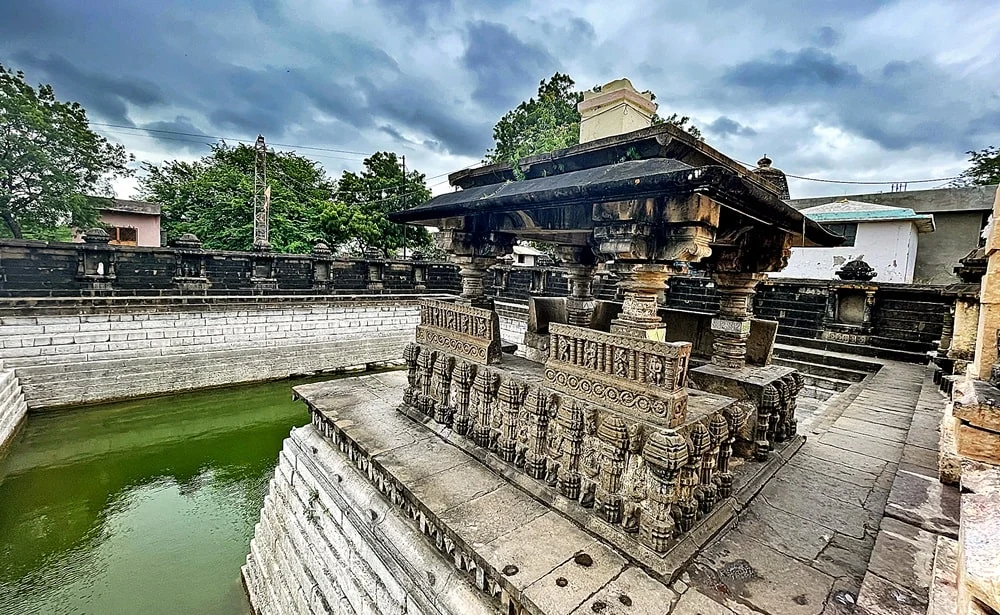
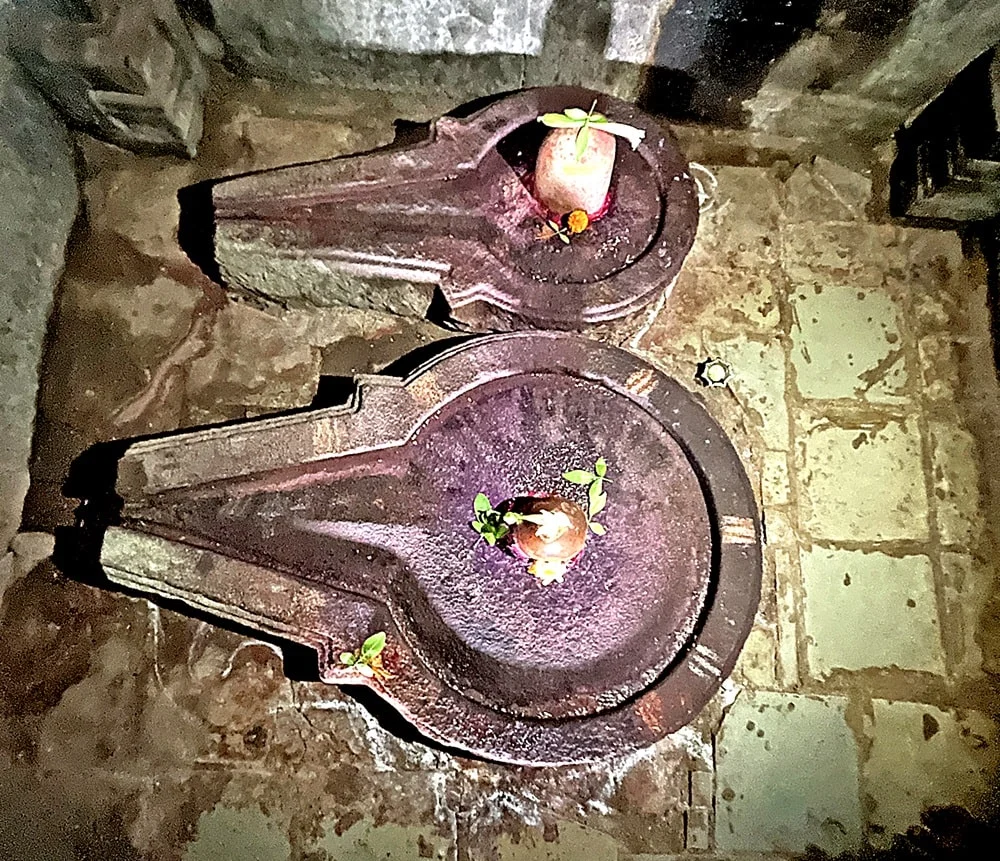
Mallikarjun Temple at Loni Bhapkar is an extraordinary 13th–14th-century heritage site, blending rare Yadava-era art with classic Hemadpanthi and Bhumija-Nagara architecture. Renowned for its two shivlingas in the sanctum—representing Shiva (Arjun) and Parvati (Mallika)—the temple is a profound symbol of divine union and spiritual tradition. Set along the Karha river and just 8 km from the Ashtavinayak pilgrimage town of Morgaon, the temple is surrounded by historic sculptures, village mansions, and a sacred pushkarini (tank) that all contribute to its aura
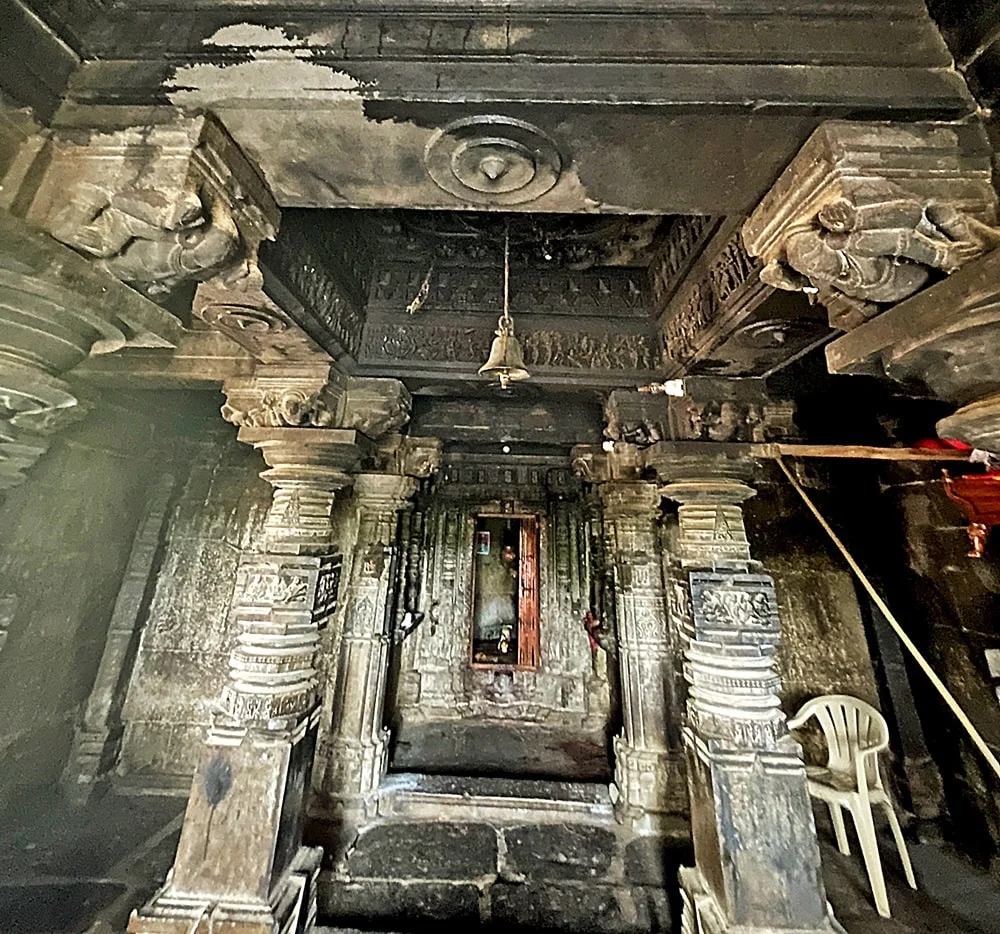
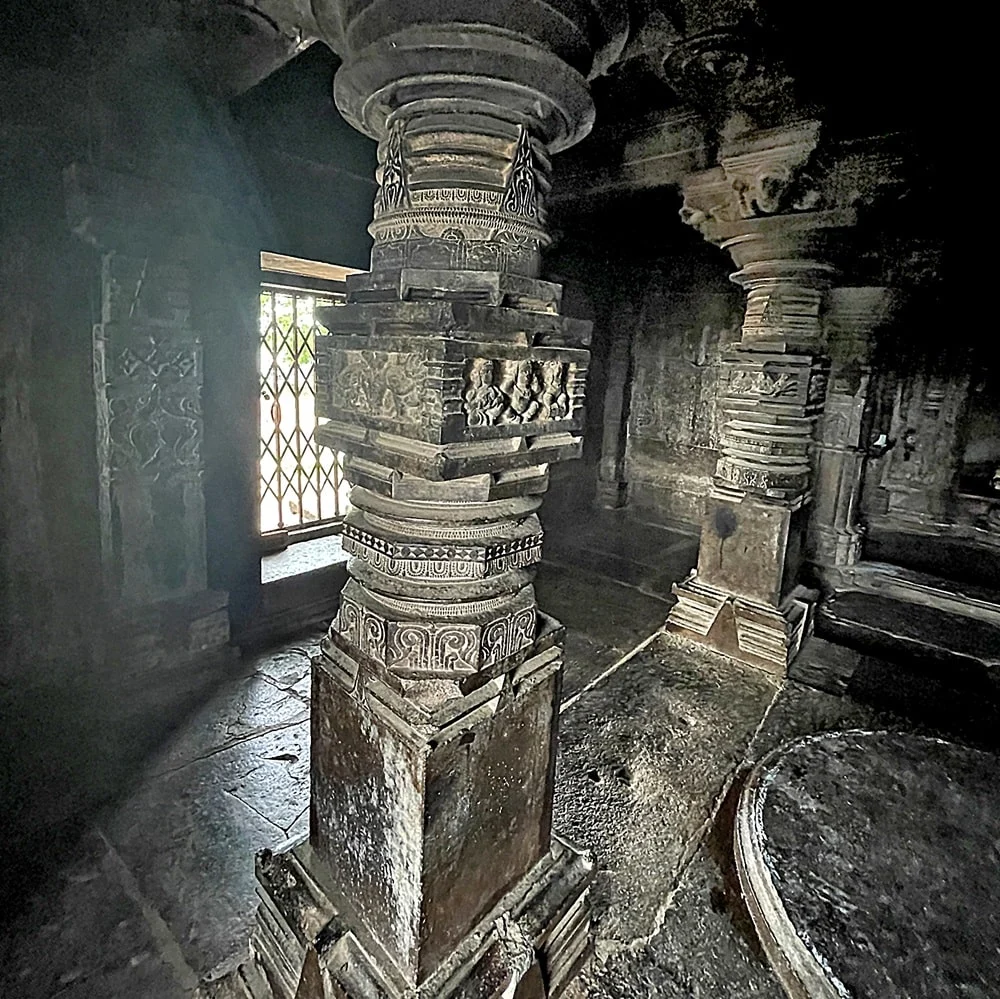
A central masterpiece is the nearby yajna Varaha relief—a stunning stone sculpture of Vishnu in his boar incarnation, decorated with 142 miniature Vishnu figures and signature emblems. The sanctum is entered via an ornate threshold carved with yakshinis, dancers, musicians, and allusions to temple life. Every inch of the shikhar (spire), latticed windows, and floral panels spills over with intricate stonework. Inside, panels recount Krishna’s childhood tales and the abduction of Sita, while the pillars are crowded with carvings of celestial musicians and mythological motifs
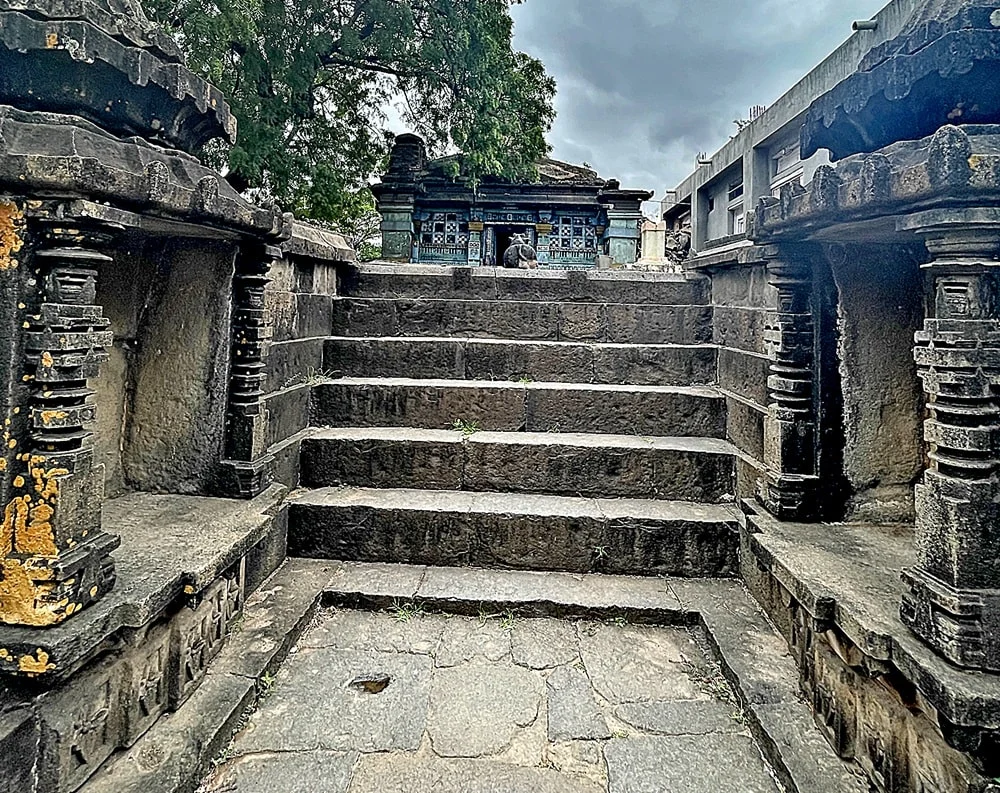
The square Nandi mandap outside is unique for its finely worked roof, bands of floral motifs, and reliefs of Dasavatara, matrikas, musicians, and deities. Though its main Nandi is lost, the atmosphere is completed by the Dattatreya Temple, standing in front of the main shrine and hosting joint aarti for Shiva, Dattatreya, and Goddess every Thursday. The original somber stonework of the lower temple contrasts with the upper shikhara, reconstructed with brick and displaying more delicate finishes.
The site’s layered history is evidenced by its probable transformation from a Vishnu to a Shiva shrine during and after the Yadava and Maratha eras. According to local lore, the Bhapkar Marathas, who were the village’s patrons, oversaw temple renovations and introduced some of the lively Shaivism still cultivated in rituals today
Maha Shivratri, Shravan, and Thursday rituals bring the temple to life. Visitors can enjoy the beautifully carved tanks, historical ambience, ample parking, and local hospitality with nearby lodging and food
This Website is developed by

Aseemit Services & Solutions
Contact : +91 7219259149
Nearby Facilities for Visitors
-
Bus Stop :
Loni Bhapkar -
Railway Station :
Baramati -
Airport :
Pune Air Port
-
Mechanic :
Loni Bhapkar -
Petrol Pump :
Loni Bhapkar -
Medical Help :
Loni Bhapkar